
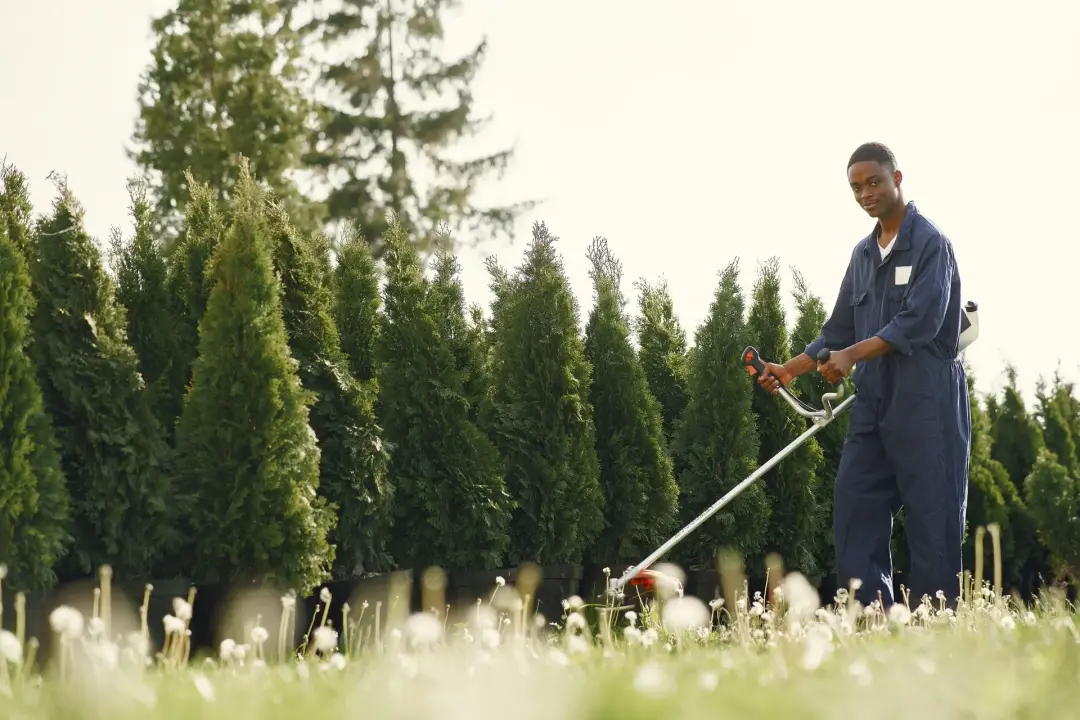
Discover how soft landscaping can transform your garden, adding colour, structure, and wildlife habitats to create a more inviting outdoor space.
The Main Elements of Soft Landscaping
Soft landscaping covers the living parts of a garden and the natural materials that help them grow. Its main elements include lawns, trees, shrubs, hedges, flowers, climbing plants, bulbs and ground cover. Soil preparation, compost, mulch and turf installation also form an important part of the work. Each element can serve a different purpose. Trees add height and shade, shrubs create shape, lawns provide open space, and flowers introduce colour and scent.
Hedges can improve privacy, while ground cover helps reduce bare soil and unwanted weeds. A well-planned design combines these features so the garden feels balanced rather than crowded. The plants should suit the soil, sunlight, available space and level of maintenance required. By choosing the right mix of living features, soft landscaping can change an empty or tired garden into a welcoming outdoor area that develops, changes and becomes more attractive throughout every season of the year.
How Planting Adds Colour and Character
Planting is one of the simplest ways to bring colour, texture and character into a garden. Flowers, shrubs and climbing plants can be selected in different shades, heights and shapes to create a clear style. Bright flowers can make seating areas feel cheerful, while softer colours can create a calm and relaxed setting. Plants with varied leaf shapes also add interest when few flowers are in bloom.
A good planting plan considers how the garden will look throughout the year. Spring bulbs can provide early colour, followed by summer flowers, autumn foliage and evergreen plants for winter structure. Repeating certain colours or plants across the garden can make the design feel connected and carefully planned.
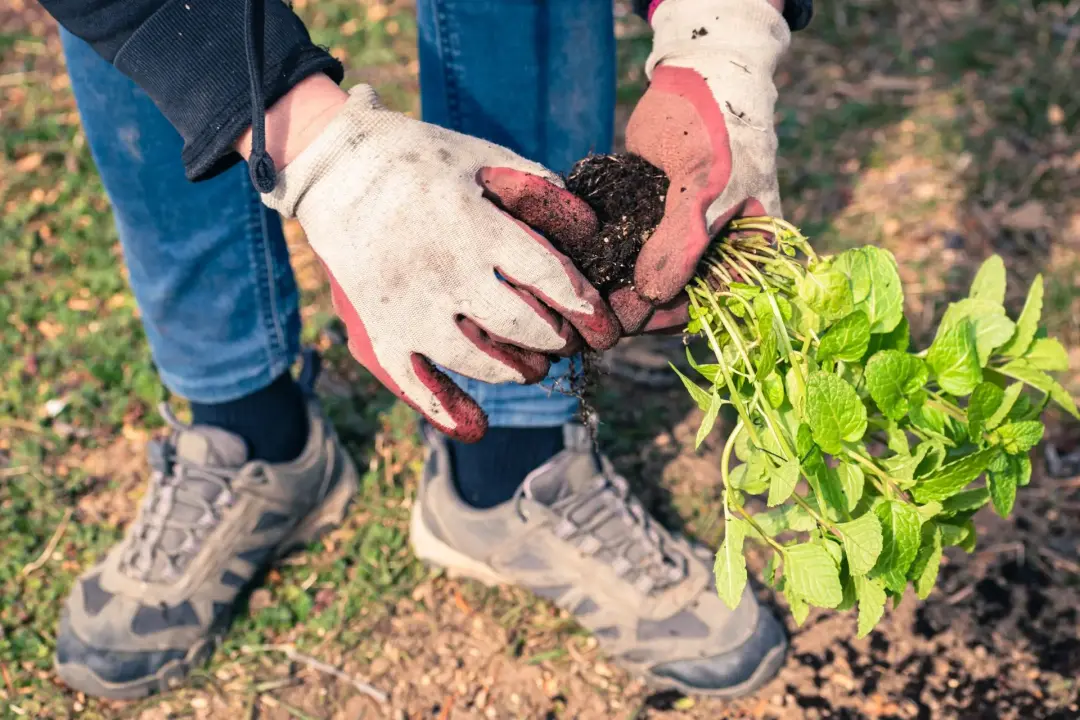
Planting can also reflect the character of the property. Traditional gardens may suit roses, lavender and neatly shaped borders, while modern spaces may use grasses, simple planting groups and strong green foliage. The right combination can draw attention to entrances, paths, seating areas or garden features.
Plants should be chosen for the available light, soil and space. This helps them grow well and reduces the need for replacement. Thoughtful planting gives a garden its own identity and makes it more enjoyable to use throughout the year.
Creating Structure with Trees and Shrubs
Trees and shrubs help create structure by giving a garden height, shape and clear boundaries. Trees can frame views, provide shade and draw attention towards important areas. Shrubs can divide spaces, soften fences and create a natural background for flowers and smaller plants.
Evergreen shrubs provide colour and coverage throughout the year, while deciduous varieties change with the seasons. Different heights can be layered to create depth, making borders appear fuller and more interesting. Larger plants can also hide unattractive walls, sheds or neighbouring buildings.
Careful placement is important because trees and shrubs can grow much larger over time. Their mature height, width and root spread should be considered before planting. They must also suit the garden’s soil and light levels. When chosen and positioned correctly, trees and shrubs provide a lasting framework that supports the rest of the planting and helps the garden feel balanced, established and thoughtfully designed.
Read related articles:
How to Plan a Soft Landscaping Project
How to Maintain a Soft-Landscaped Garden
Improving Your Garden with New Turf
New turf can quickly improve the appearance and usefulness of a garden. It creates a fresh, even lawn that provides space for children, pets, outdoor seating and general relaxation. A healthy lawn also connects different areas of the garden and gives flower beds, paths and borders a clean background.
Good preparation is essential before turf is installed. Existing weeds, old grass, stones and debris should be removed. The ground must then be levelled, loosened and improved where necessary. Adding suitable soil or compost can help new roots develop, while careful levelling prevents dips and uneven areas.

Turf should be laid closely together so there are no large gaps between sections. It must then be watered thoroughly and kept moist while the roots become established. Walking on the lawn should be limited during this early stage because movement may disturb the turf or create uneven patches.
Once established, the lawn will need regular mowing, watering and feeding to remain healthy. Areas with heavy shade or poor drainage may require additional care or a different planting solution. When installed correctly, new turf can transform bare, muddy or worn ground into an attractive green area that makes the whole garden feel cleaner, brighter and more complete.
Using Flower Beds to Create Year-Round Interest
Flower beds can make a garden attractive throughout the year when plants are chosen for different seasons. Spring bulbs can provide early colour, while summer flowers create fuller displays. Autumn plants add warm shades, and evergreen foliage keeps borders from looking empty during winter.
Mixing flowers with shrubs, grasses and ground cover gives beds varied heights and textures. Taller plants can sit towards the back, with medium plants in the centre and lower varieties near the edge. Repeating selected plants across several beds creates a consistent appearance.
The position of each flower bed should match the light and soil available. Sun-loving plants may struggle in shade, while moisture-loving plants may fail in dry ground. Leaving suitable spacing also allows plants to grow without becoming overcrowded. A well-planned flower bed changes naturally through the seasons. It provides ongoing colour, shape and movement, helping the garden remain appealing even when certain plants are no longer flowering.
How Soft Landscaping Supports Local Wildlife
Soft landscaping can create valuable food, shelter and nesting areas for local wildlife. Flowering plants provide nectar and pollen for bees, butterflies and other insects. Trees, shrubs and hedges offer cover for birds, while berries and seeds provide food at different times of the year.
Using a wide range of plants helps support more species. Native plants are often useful because local wildlife is already suited to them. Flowers with different shapes and flowering periods can provide food from early spring through to autumn. Dense shrubs and hedges can give birds safe places to nest away from open ground.
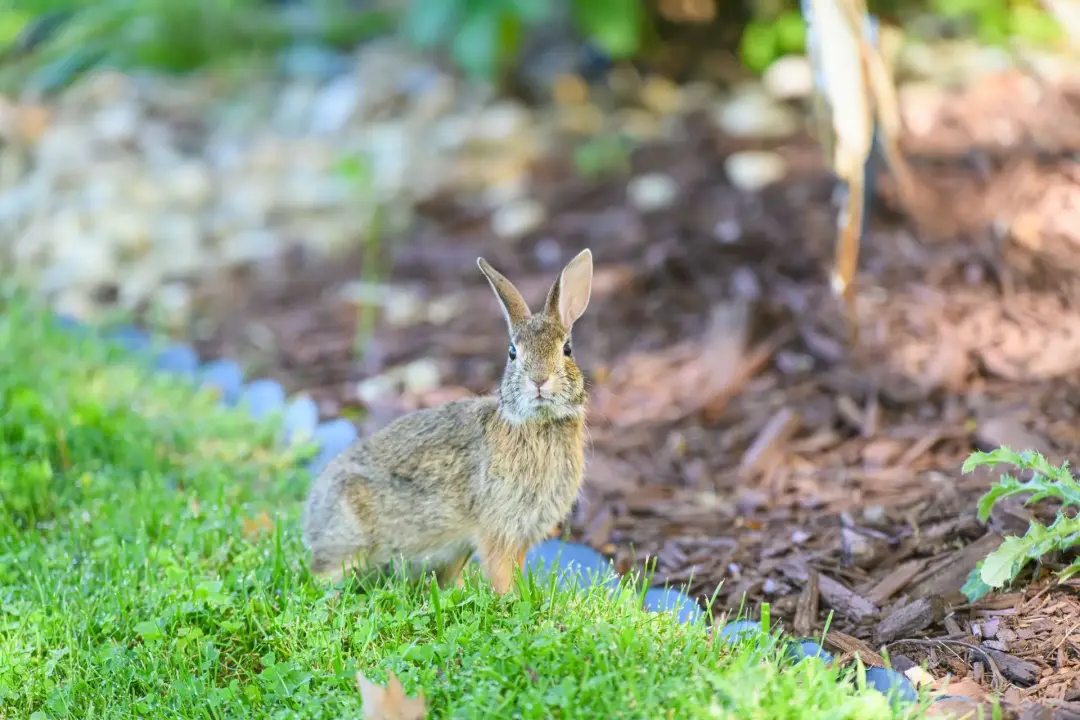
Ground cover, leaf piles and log areas can support insects and small animals. A pond or shallow water feature may also attract birds, frogs and other wildlife, provided it is designed safely. Avoiding harsh chemicals protects insects and prevents harmful substances from entering the soil.
Gardens do not need to look untidy to support wildlife. Carefully planned borders, mixed hedges and selected natural areas can fit into both traditional and modern designs. Even a small garden can provide useful habitats when space is used wisely. By including wildlife-friendly planting, soft landscaping can make a garden more active, varied and environmentally helpful throughout the year.
Making Small Gardens Feel More Spacious
Soft landscaping can make a small garden feel larger by guiding the eye through the space. Layered planting, curved borders and carefully placed shrubs can create depth without using too much ground. Plants with fine leaves or lighter colours can also help the garden feel open.
Keeping taller plants towards the edges prevents them from blocking central areas. Climbing plants can cover walls and fences, adding greenery without reducing useful floor space. Small trees with narrow shapes can provide height while leaving room beneath them.
Repeating the same plants or colours in different areas creates a clear flow. Too many unrelated varieties may make a small garden feel crowded. Lawns, low ground cover and simple borders can provide open sections that balance fuller planting.
Mirrors, pale fences and visible pathways may support the effect, but planting remains important. A clear, simple design can make a compact garden feel organised, comfortable and more spacious than its actual size suggests.
Combining Hard and Soft Landscaping
Hard and soft landscaping work together to create a practical and attractive garden. Hard landscaping includes fixed features such as patios, paths, walls, fencing, decking and raised beds. Soft landscaping includes the lawns, trees, shrubs and flowers that soften these solid surfaces and add natural colour.
A patio may provide a useful seating area, but surrounding it with planting helps it feel connected to the rest of the garden. Paths can guide people through the space, while borders along their edges create interest and reduce a plain or formal appearance. Climbing plants can soften fences, walls and pergolas
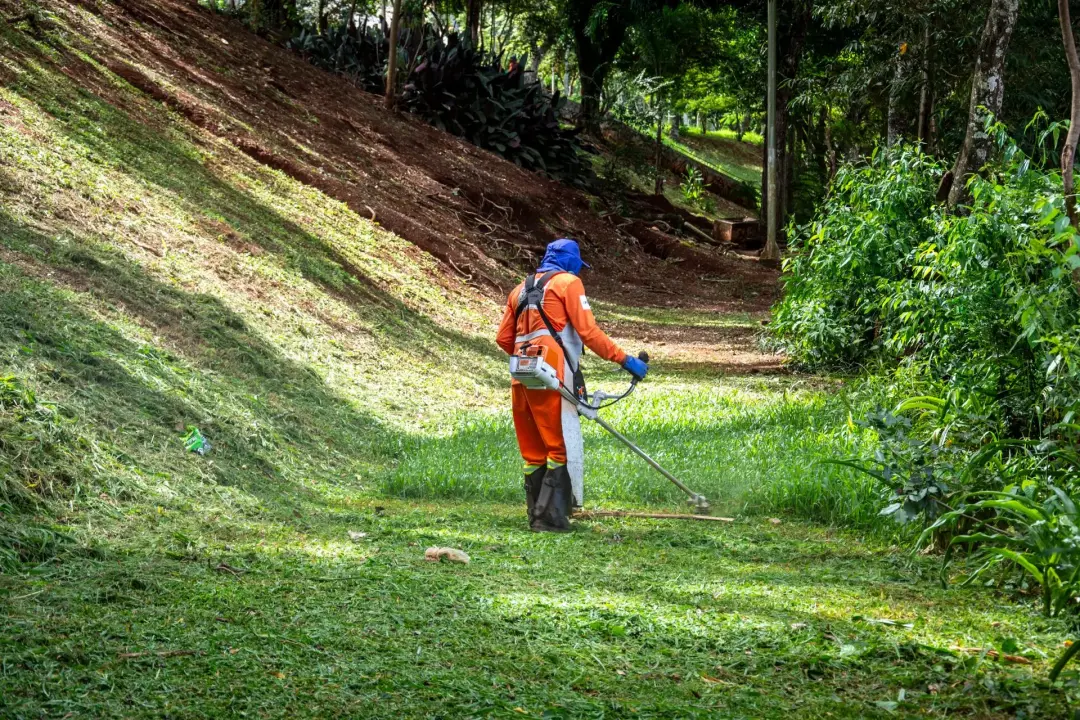
The balance between hard and soft features depends on how the garden will be used. A busy family garden may need larger paved areas and a durable lawn. A garden designed for relaxation may use more planting, shade and natural screening. Good drainage and access should also be considered before work begins.
Materials and plants should complement one another. Natural stone may suit traditional planting, while simple paving can work well with modern grasses and structured shrubs. Neither part should dominate unless this is a clear design choice. When carefully combined, hard and soft landscaping create a garden that is easy to use, visually balanced and welcoming throughout the year.
Creating a Low-Maintenance Garden
A low-maintenance garden uses plants and layouts that require less regular care. Evergreen shrubs, ground cover and slow-growing plants can provide lasting colour without frequent pruning or replanting. Larger planting groups are often easier to manage than many small, separate varieties.
Mulch can be added around plants to help retain moisture and reduce weed growth. Ground cover plants can also fill bare soil, limiting the space available for weeds. Choosing plants suited to the soil and sunlight reduces the need for extra watering or treatment.
Lawns can require regular mowing, so some gardens may use smaller grass areas or replace difficult sections with planting, gravel or paving. Automatic watering systems can make dry periods easier to manage, although plants should still be checked. Low maintenance does not mean no maintenance. Plants still need occasional pruning, feeding and care. However, a thoughtful design can reduce routine work while keeping the garden neat, colourful and enjoyable.
Improving Privacy with Hedges and Planting
Hedges, trees and dense planting can improve privacy without making a garden feel closed in. They create natural screening around seating areas, boundaries and windows while also adding colour and texture. Unlike a plain fence, planting changes through the seasons and can support wildlife.
Evergreen hedges provide coverage throughout the year. Deciduous hedges may lose their leaves in winter, but their branches can still offer some screening. Mixed hedges combine several plants, creating a varied appearance and a useful habitat for birds and insects.
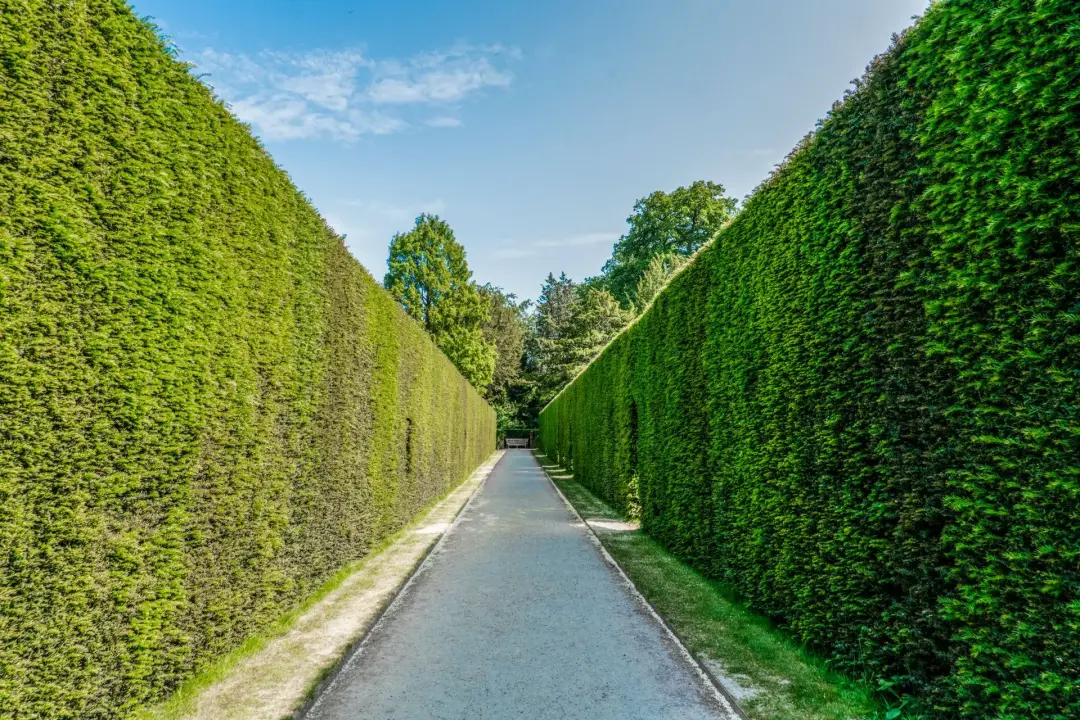
Trees can block higher views from neighbouring windows, but their mature size must be considered carefully. Narrow or carefully shaped varieties may suit smaller gardens. Shrubs and climbing plants can fill gaps at lower levels or soften existing fences and walls.
Privacy planting should not block too much natural light. The height, width and position of each plant should suit the space and avoid causing problems for nearby properties. Regular trimming may also be needed to keep hedges manageable
A layered approach often works well. Trees provide upper screening, hedges cover boundaries, and shrubs add fullness closer to the ground. This can create a private, comfortable garden that feels natural rather than heavily enclosed.
How Soft Landscaping Can Increase Property Appeal
A well-maintained garden can make a strong first impression and improve the overall appeal of a property. Healthy lawns, neat borders, shaped shrubs and colourful planting can make outdoor areas appear cared for and welcoming.
Front garden landscaping is particularly important because it is one of the first things visitors see. Clear paths, tidy hedges and suitable planting can help frame the entrance. In rear gardens, useful lawns, attractive borders and private seating areas can show how the space may be enjoyed.
Soft landscaping can also improve areas that look bare, uneven or unfinished. Plants can hide unattractive features, soften hard surfaces and create clearer garden zones. Mature trees and established hedges may add character that cannot be created quickly. Although landscaping does not guarantee a higher property value, an attractive garden can make a home more memorable to potential buyers. It can also help people imagine using the outdoor space, which may support wider interest in the property.
Choosing the Right Plants for Your Garden
Choosing suitable plants is essential for creating a healthy and manageable garden. Each plant has its own needs, including sunlight, soil type, moisture, space and protection from wind. A plant placed in unsuitable conditions may grow poorly, require constant care or need replacing.
Start by observing which areas receive full sun, partial shade or very little direct light. Soil should also be checked for drainage, texture and condition. Some plants prefer dry, free-draining ground, while others grow better in moist soil. Compost or other soil improvements may be needed before planting begins.
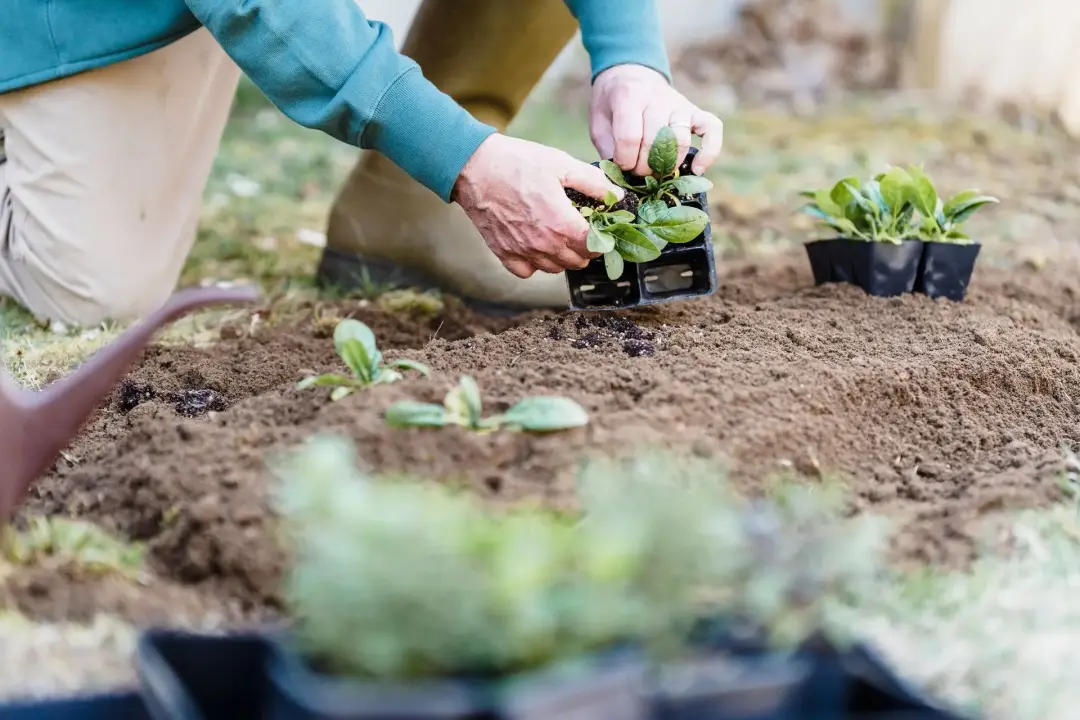
The mature size of each plant is another important factor. A small shrub can eventually become too large for a narrow border, while tree roots and branches may affect nearby paths, walls or buildings. Choosing suitable sizes prevents overcrowding and reduces heavy pruning later.
Consider how much maintenance you can manage. Some plants need regular feeding, pruning and watering, while others require limited attention once established. A mixture of evergreen plants, seasonal flowers, shrubs and ground cover can provide year-round interest.
The right plant choices create stronger growth, fewer problems and a garden that remains attractive as it develops over time.
Why Soil Preparation Matters
Healthy soil gives plants the support, water and nutrients they need to grow. Poor soil preparation can lead to weak growth, waterlogging, dry ground or plants that fail soon after installation. Preparing the area properly creates better conditions from the start.
The soil should be cleared of weeds, roots, stones and building waste. Compacted ground may need loosening so water and air can reach plant roots. Compost or suitable soil improvers can then be added to improve structure and nutrient levels.
Drainage should also be checked, especially in areas where water collects after rain. Some gardens may need additional work to prevent new plants or turf from sitting in wet soil.
Different plants prefer different soil conditions, so preparation should match the planned planting. Spending time on the soil before landscaping begins can improve plant health, reduce future maintenance and help the garden establish more successfully.
When to Hire a Professional Landscape Gardener
Hiring a professional landscape gardener can be useful when a garden needs major changes, careful planning or skilled preparation. Large planting schemes, new lawns, soil improvement and garden redesigns can require more time, knowledge and equipment than expected.
A landscape gardener can assess the soil, light, drainage and available space before recommending suitable plants. This helps prevent choices that may struggle or become too large. They can also create a clear layout that balances lawns, borders, trees, shrubs and existing hard landscaping.
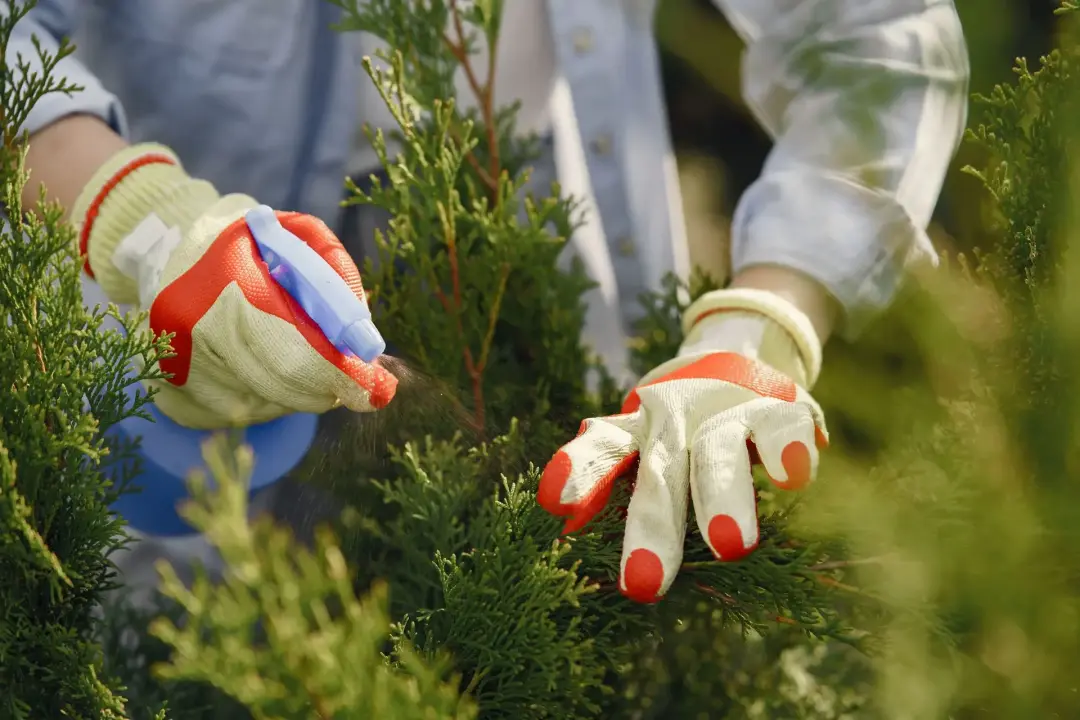
Professional help may be particularly valuable when the garden is overgrown, uneven or affected by poor drainage. Removing established roots, preparing large areas and moving heavy materials can be difficult without suitable tools. A professional can complete these tasks safely and in the right order.
It is also helpful to hire support when you are unsure how to achieve a certain style or keep future maintenance manageable. A clear plan can reduce wasted plants, repeated work and unexpected costs.
Before choosing a landscape gardener, discuss the intended use of the garden, available budget and preferred level of maintenance. Ask what preparation, planting and aftercare are included. Good professional landscaping should provide a practical garden that suits the property, meets your needs and continues to improve as the planting matures.
At ALG Gardening And Landscaping Ltd, we provide professional soft landscaping, garden maintenance and landscaping services across Cheltenham, Gloucester and the Cotswolds.
Our experienced gardeners and landscapers carry out planting, turfing, pruning, fencing, paving, patios, decking and other landscaping work. Whether you need help with a small job or a complete garden transformation, contact our team today to discuss your ideas.