Learn how to choose the right patio for your garden with our expert UK guide. Discover practical tips on size, materials, layout, and safety for a perfect outdoor space.
Choosing the right patio can make a big difference to how your garden looks and works. From the patio's size and layout to materials, drainage, safety, and maintenance - every detail matters. This guide explains what to consider when planning a patio installation and why it's important to consider your home's style and the way you want to use the space.
Why the right patio matters
Choosing the right patio matters because it can change how your garden looks, feels, and works throughout the year. Gardens in the UK often need to cope with drastic weather changes and heavy rain, so the patio's material and layout must be suitable to handle this. A well-planned patio can create a strong, safe surface for seating, dining, plant pots, and general relaxation.
Even a small garden can feel more spacious and practical when there's a designated area for relaxing or entertaining. It can also link your house to the garden and make the whole space feel more open and welcoming.
Think about how you will use the space
When you're deciding on the right patio for your garden, it's important to consider how you will use the space. A patio shouldn't just look good; it should also suit your daily needs. For example, if you enjoy eating outside, you may need enough room for a table and chairs. If you want a quiet place to relax, you'll want enough space for seating, planters, and shade.
For families with children and pets, a strong, easy-to-clean surface can be a good choice for your patio. Thinking about these details early on can help you avoid laying a patio that feels too small, awkward, or hard to use. The position of the patio also matters, since some people may prefer a sunny spot, while others may want shade or shelter from wind and rain. By planning around how you will use the space, you can create a patio that feels practical, comfortable, and enjoyable to use.
Choosing the best patio size
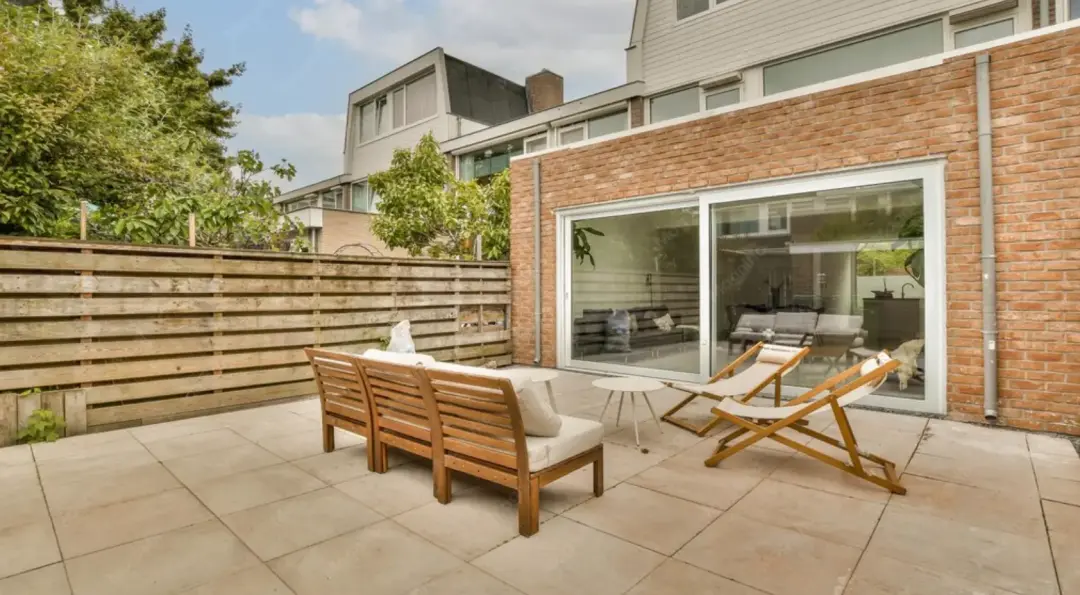
A patio that's too small can feel cramped and limit how your garden can be used. In this case, there may not be enough room for seating, dining furniture, plant pots, or enough space to move safely around the area.
On the other hand, a patio that's too big can take over the garden and reduce the amount of space for your lawn, borders, trees, or plant beds. The size of the patio also affects the overall balance of the landscape, too, since a well-sized patio should sit naturally within the garden, and link the house to the garden without making the area feel cramped or empty.
The right-sized patio can also make your garden easier to care for, more attractive, and more useful throughout the year. By choosing a patio size that suits your home, layout, and daily needs, you can create an outdoor space that feels practical and inviting.
Picking the right patio material
A patio's material affects how it looks, how long it lasts, how much care it needs, and how safe it is underfoot. Since UK gardens often deal with rain, frost, damp weather, and shade, it's important to choose a surface material that can cope with these changing conditions.
Natural stone is a popular choice because it provides a timeless look and works well with many garden styles. Porcelain paving is also a common choice, since it's hard-wearing, low-maintenance, and available in many colours and finishes. Concrete slabs can be a more affordable option, and they can suit both simple and modern garden designs. Brick or block paving can also add character, and they work well for older homes or smaller spaces.
When you're choosing the material, you also need to think about how the patio will be used. A busy family garden may need a strong, easy-to-clean surface, and shaded gardens may need materials that are less likely to become slippery when they're wet. By choosing the materials carefully, you can create a patio that is practical and suited to the British weather.
Matching your patio to your garden style
A patio is often one of the largest features in a garden, so its colour, shape, and material can have a big effect on the final look. When the patio suits your garden's style, it can make the space feel more attractive and easier to enjoy. For a modern garden, smooth paving, simple lines, and neutral colours can create a clean finish. For a more traditional garden, natural stone, brick edging, or softer tones can feel more suitable.
Cottage-style gardens often work well with warmer colours and mixed planting, while smaller gardens can benefit from lighter paving to make the area feel more open. Matching the patio to your home is also important because it can make the patio feel like a natural part of the property. This can improve the overall appearance of your space and make the space feel more welcoming.
Planning the shape and layout
A patio shouldn't feel like an afterthought; it should work with the size, shape, and style of your garden, as well as the way you want to use it. Good planning can make the whole area feel more balanced, open, and easy to move around in. The shape of the patio can affect how the garden looks. Straight edges and square shapes can suit modern homes and simple garden designs, while curved edges can create a softer feel and work well with planting, lawns, and more natural garden styles.
The right layout can also help you connect different parts of the garden together, such as seating areas, paths, doors, borders, and lawns. A well-planned patio can also make better use of any awkward spaces, too. Small corners, narrow gardens, or uneven areas can often be improved with a patio, and it helps you avoid wasting space.
Considering drainage and ground levels
If a patio isn't planned out or installed properly, rainwater can sit on the surface, create puddles, and make the area slippery. Over time, poor drainage can also lead to stains, loose slabs, and damage to the base beneath the patio.
Your ground levels also matter because the patio should sit at the right height in relation to the house, lawn, borders, and paths. If the patio is too high, water can run towards the property, which can cause damp near the walls and doors. If it's too low, water may collect in one area and make the patio harder to use after wet weather.
A well-laid patio should have a slight fall, which means that it gently slopes away from the house or towards a suitable drain. This helps rainwater move away from the patio rather than sit on the surface. The right base, edging, and jointing can also help keep the patio stable.
Choosing colours and finishes
A patio often covers a large portion of space, so the colour, shade and surface style of the patio need to work well with the house, fencing, plants, and other garden features. The right colour choice can make the space feel calmer, brighter, modern, or more traditional.
Lighter colours can help a small garden feel more open and welcoming, and they can also brighten up shaded areas. Darker colours can create a smart, modern look, but they can make a small space feel more enclosed. Warmer tones are often better for patios in older homes, while cool grey shades often work well with newer properties.
The finish of the patio is just as important as the colour, since a smooth finish can make the patio look clean and modern, while a textured finish can add character and improve your grip underfoot.
Thinking about safety and slip resistance
Considering your safety and slip resistance is very important when you're installing a patio, especially in the UK, due to how common rain is. A patio should be a safe place to walk, sit, and spend time on, but some surfaces can become slippery when they get wet. This can increase the risk of slips and falls, particularly for children, older people, pets, and anyone carrying food, drinks, or garden items. In this case, textured slabs, riven stone, and certain outdoor porcelain finishes can be a good choice since they provide better grip than smooth surfaces.
It's also important to clean any shaded areas after long periods of rain since algae and moss can start growing if the surface is left damp for too long. A level surface, secure slabs, neat joints, and proper drainage can all help you prevent trip hazards and standing water. Steps, edges, and changes in the patio's height should be planned out clearly so that people can move around the garden with confidence - no matter the weather.
Planning for garden furniture and features
A patio should be planned around how the space will be used, not just how it will look. Patios are often used for outdoor dining, relaxing, barbecues, plant pots, and children’s play areas, so the size and layout of the patio need to suit these needs.
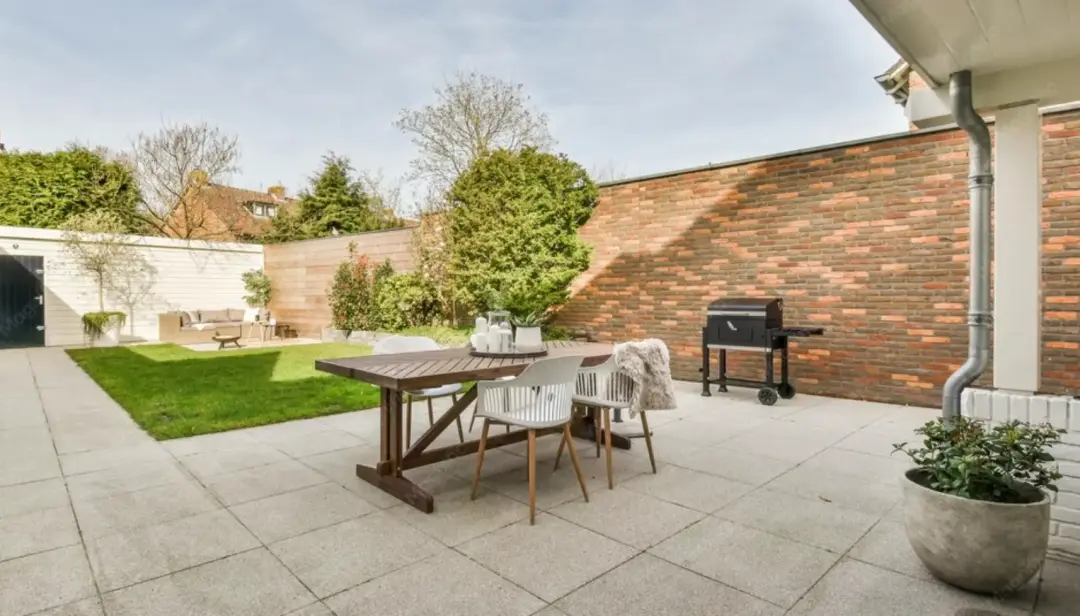
Start by thinking about the furniture you would like to put on the patio. A dining table and chairs need a flat, stable surface with enough room to pull the chairs out and walk around safely. If you want a barbecue, fire pit, pergola, or a water feature, these features should also be planned out ahead of time before the patio is laid, to make sure there's enough room and stability.
Heavy furniture needs strong paving that will not move or crack easily, and the finish should also be safe underfoot. Good drainage can also stop puddles from forming around your seating areas and features.
How much maintenance will your patio need?
The amount of maintenance a patio needs depends on the material it's made out of, the finish, the weather, and how often the space is used. Patios often collect dirt, moss, algae, and leaves over time, which means they need to be swept often to remove the excess waste. This is especially important during autumn and winter since damp debris can make the surface slippery.
Washing the patio occasionally can also help remove marks and keep the paving looking fresh. Some patios may need a gentle pressure wash, but this should be done with care to avoid damaging the joints or softer stone.
Additionally, different materials need different levels of care. Porcelain paving is usually easy to maintain, while natural stone may need more attention to prevent staining. Block paving may need de-weeding, and some patios can benefit from sealing to protect the surface.
Setting a realistic budget
Setting a realistic budget is important when you're looking to have a patio installed because it can help you make clear and sensible choices from the start. A patio can vary in cost depending on its size, shape, materials, ground preparation, drainage, and any extra features. Without a clear budget, it can be easy to choose an option that looks appealing but costs more than expected.
A realistic budget helps you decide which materials are suitable for your garden and your plans. For example, natural stone and porcelain paving can cost more than basic concrete slabs, but they can offer a different finish and have lower maintenance needs over time. Your budget should also include labour costs, waste removal, edging, and any work that's needed to make the ground level and stable.
Planning your budget early on can help you understand what can be done now and what may need to be added later, such as lighting, seating, planting, or covered areas. A well-planned budget doesn't always mean you have to choose the cheapest option; it means you can choose a patio that is affordable, practical, and long-lasting.
Why professional patio installations matter
Professional patio installations matter because a patio needs to be strong, level, safe, and built to last. While it may seem simple to lay down paving slabs, a good patio depends on careful planning, correct ground preparation, and proper drainage. If the base isn't prepared well, the slabs can move, sink, crack, or become uneven over time. A professional installer can assess your garden, check the ground levels, and choose the right installation method.
A professional installation can also improve the patio's appearance, since neat joints, even levels, straight edges, and well-fitted slabs can make the patio look clean and well-finished. This can improve the look of your whole garden and help the space feel more inviting. By having the patio installed properly, you can enjoy a garden space that is practical, attractive, and safe to use throughout the year.
ALG Gardening And Landscaping Ltd provides reliable patio design and installation services in Cheltenham, Gloucester, Cotswolds for gardens of all sizes. From ground preparation and drainage to paving, edging, and finishing, our team can create strong, attractive outdoor spaces that suit your property.