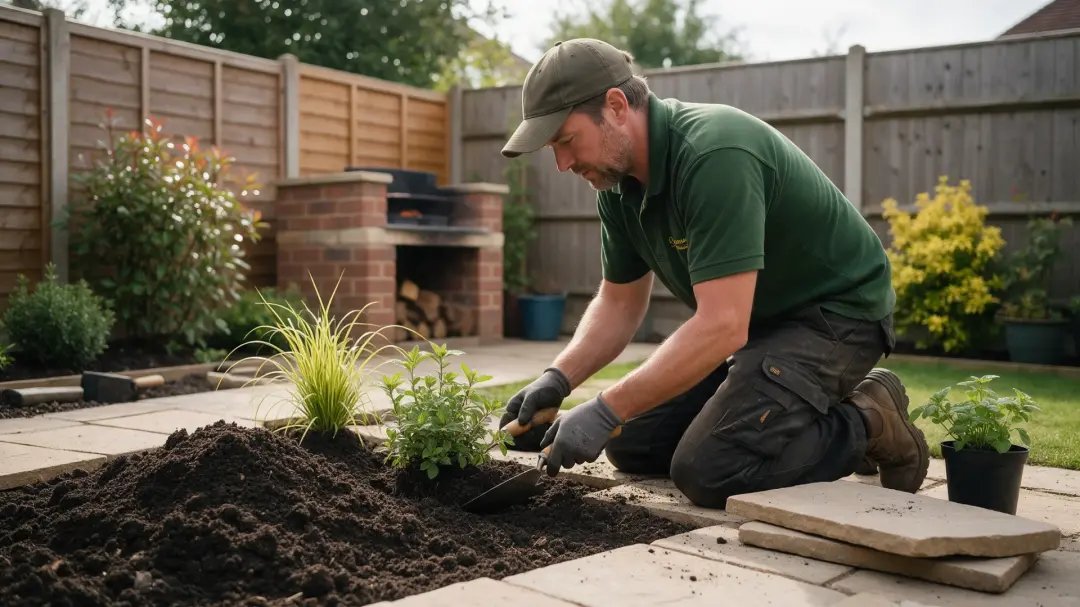
Improve privacy by identifying the views you want to screen and positioning the solution close to the space you use. Layered planting, a sheltered seat or a local screen can work better than raising every boundary. Check daylight, wind, growth and permissions before finalising the design.
Sources and figures checked 12 October 2026. Publication dates and product-specific limits are identified where relevant.
Map overlooking from the seat
Identify views from pavements, neighbouring ground level and upstairs windows separately. Mark sightlines on a sketch from the place you sit. Moving a table away from an exposed corner may reduce the screening needed. Check winter conditions too, when deciduous foliage gives less cover.
Combine immediate and growing screens
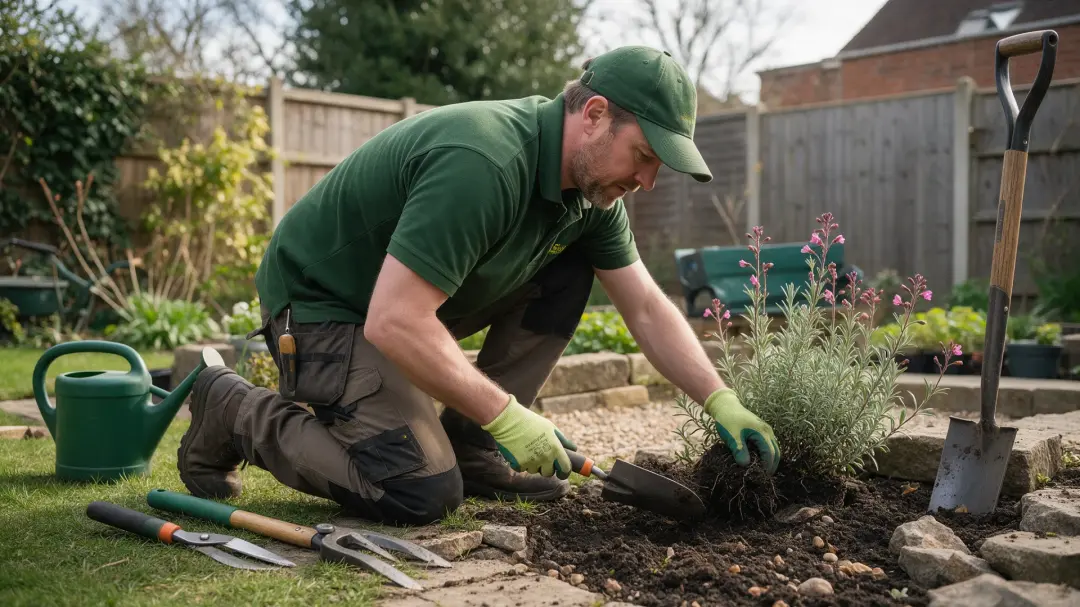
A suitable fence can provide separation while planting establishes. Leave room for roots and maintenance. Containers help enclose terraces, but need watering and secure placement. Avoid oversized specimens chosen simply for instant height if their mature spread and root requirements do not suit the plot.
Select plants for the conditions
The RHS screening guide considers exposure, roots and future upkeep. It notes that establishment is best with shrubs no taller than 1 m or trees around 1.8 m, rather than always buying the largest stock. These planting recommendations were checked in October 2026; they are not promised growth rates. Match species to soil and mature space.
Check fence and trellis limits
Planning Portal guidance for England generally uses a 1 m limit next to a vehicle-used highway or its footpath, and 2 m elsewhere, subject to other conditions. Trellis can count towards overall height. Listed buildings, planning conditions and removed rights may affect the position. Confirm the complete proposal instead of assuming a decorative screen is exempt.
Interrupt upstairs views locally
A carefully placed tree, suitable pergola or retractable shade may shelter the seating area without enclosing the whole garden. Test shadows and daylight to the house. Structures need assessment for foundations, wind and permissions. A canopy near the place you sit can achieve more than an increasingly tall distant boundary.
Keep air moving during and after work
Slatted screens admit some light and air, but concealment depends on the viewing angle and spacing. Agree which boundary sections will be removed first and how long the garden will be open. Temporary screening must be secure; do not attach it to a neighbour’s fence without agreement. Keep gates accessible and arrange containment for pets.
Allow for growth and neighbourly light
Leave space to trim hedges and inspect the boundary. Consider mature branches and roots near drains or buildings. Discuss intentions before changes affect a shared outlook. Privacy should remain manageable as planting grows, rather than creating an overgrown barrier that repeatedly needs drastic cutting.
Separate concealment from a feeling of enclosure
A screen can make a seating area feel comfortable without making it completely invisible. Decide which outcome you need before choosing the material. Thin planting or widely spaced slats may obscure an unattractive view but still allow someone to see movement through them. Test a sample or a temporary marked position from the relevant angle. If security is also important, discuss gate access and visibility separately; hiding the whole garden is not necessarily the same as making it easier to supervise.
Plan the view from indoors as well
Privacy work changes what you see from the house throughout the year. Check the proposed screen through the windows of the rooms used most often, including while seated. A panel that looks attractive from the patio may dominate the kitchen outlook. Use planting layers or a modest focal point to give the screen context. Leave access to maintain the house wall and inspect drainage. The best design protects your preferred sitting position while preserving light and a pleasing view from inside.
Summary
Targeted screening succeeds when sightlines, daylight and growth are considered together. Discuss a refurbishment with ALG Gardening And Landscaping Ltd that makes your seating area in Cheltenham more secluded while retaining a usable garden.