Discover How to Maintain a Soft-Landscaped Garden. Get advice on planting, mulching, weed control, and lawn care for a lush, inviting garden all year round.
What Is a Soft-Landscaped Garden?
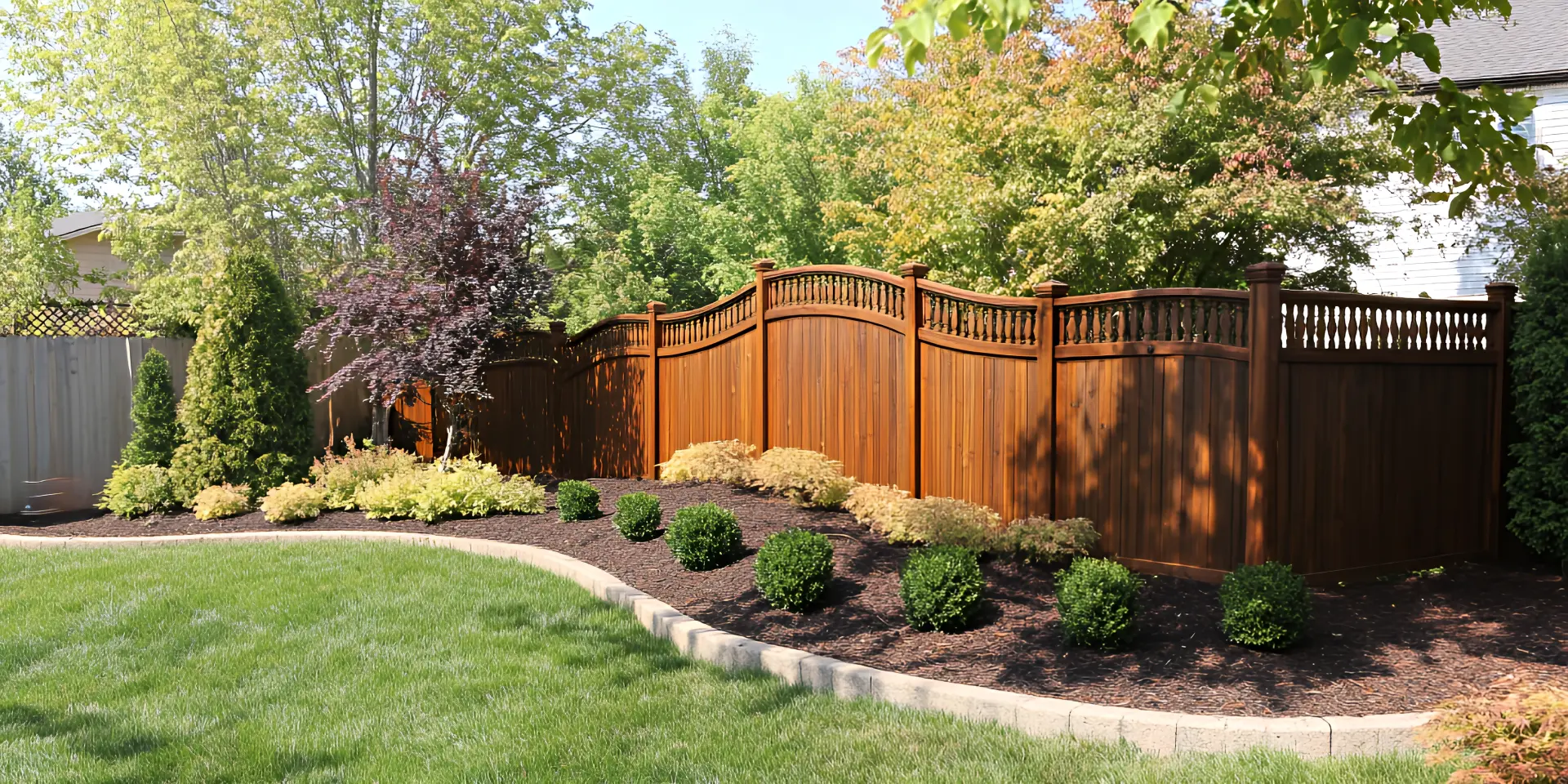
A soft-landscaped garden is an outdoor space shaped mainly by living features such as lawns, trees, shrubs, hedges, flowers and ground cover. It may also include soil, compost, mulch and other natural materials that help plants grow. Unlike patios, paths, walls and fencing, these parts change over time as plants mature and seasons pass. This means regular care is needed to keep the garden healthy, balanced and attractive.
Maintenance may involve watering, mowing, pruning, feeding, weeding and replacing damaged plants. The amount of work depends on the size of the garden, the plants used and the local conditions. A well-maintained soft-landscaped garden can provide colour, privacy, shade and space for wildlife. It can also make outdoor areas more enjoyable and welcoming. Understanding the different living elements helps you plan suitable tasks and give each part of the garden the care it needs throughout the year, in every season and condition.
Create a Simple Garden Maintenance Plan
A simple maintenance plan helps you keep on top of garden tasks without feeling overwhelmed. Start by listing the main areas, including lawns, borders, hedges, trees, shrubs and any wildlife planting. Note what each area needs and how often the work should be completed. Some jobs, such as watering during dry weather, may be frequent, while pruning or feeding may only be needed at certain times of year.
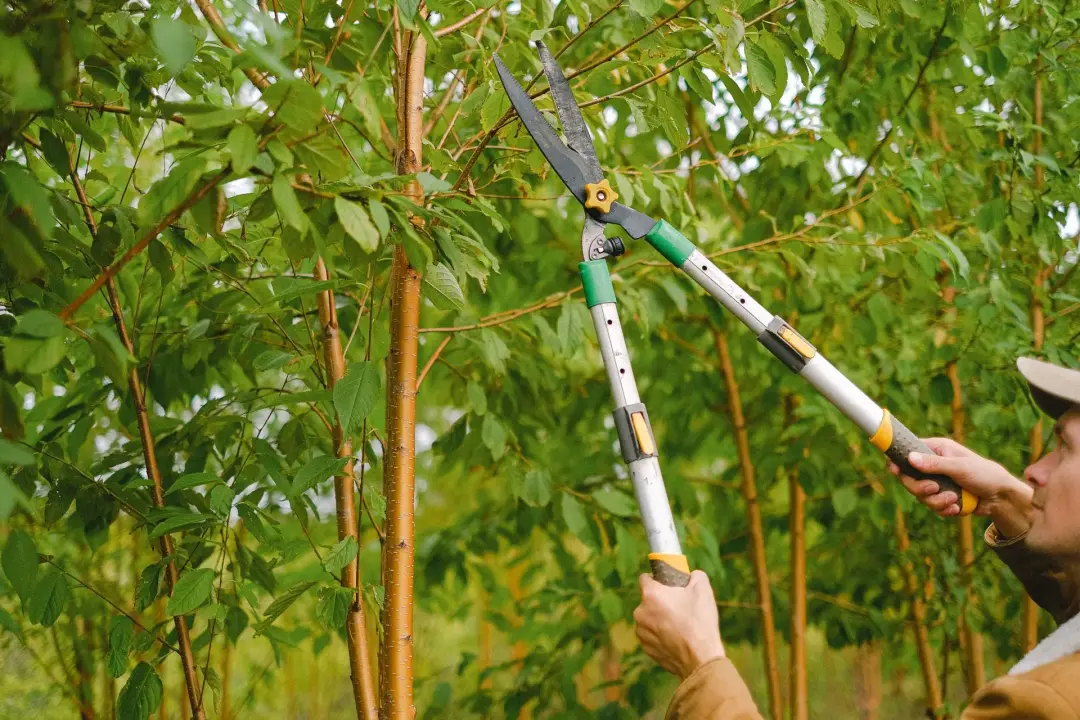
Divide tasks into weekly, monthly and seasonal groups. Weekly work might include checking soil moisture, removing weeds and clearing fallen debris. Monthly jobs could include edging lawns, inspecting plants and tidying borders. Seasonal tasks may involve pruning, feeding, mulching, planting and preparing for cold weather.
Keep the plan realistic for the time you have available. A large list that cannot be followed is less useful than a short schedule focused on important work. Record any plants that need special care, including newly planted trees or delicate flowers.
Review the plan as the garden changes. Plants grow, weather varies and some areas may need more attention than expected. A clear routine helps prevent small issues from becoming larger problems and keeps the garden neat, healthy and enjoyable throughout the year with less effort.
Water Plants at the Right Time
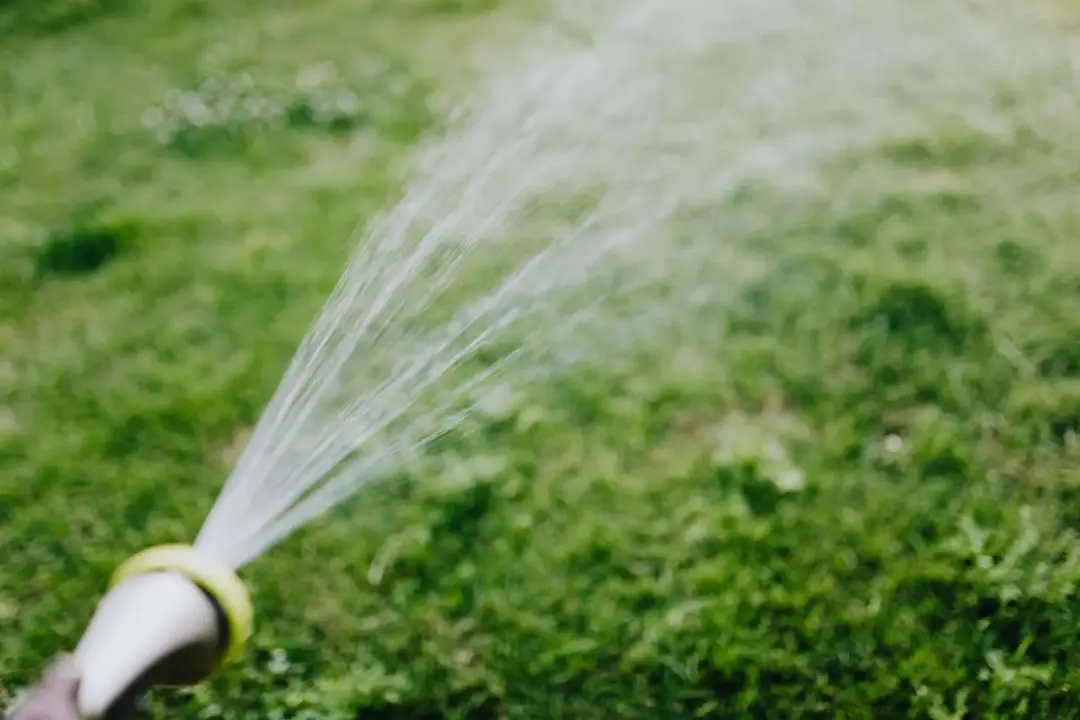
Watering plants at the right time helps moisture reach the roots before it evaporates. Early morning is usually the best time because temperatures are cooler and plants can absorb water before the day becomes warm. Evening watering can also work, but wet leaves left overnight may encourage some diseases.
Check the soil before watering rather than following a fixed routine. Push a finger into the ground to see whether it feels dry below the surface. Newly planted trees, shrubs and flowers usually need more regular watering while their roots establish.
Water slowly and deeply so moisture reaches lower roots. Frequent light watering can encourage shallow growth and make plants less able to cope with dry weather. Aim water at the soil rather than the leaves whenever possible. Containers and young plants may dry quickly. Adjust watering to the weather, plant type and soil conditions to avoid both drought and waterlogging.
Read related articles:
How to Plan a Soft Landscaping Project
How Soft Landscaping Can Transform Your Garden
Keep Lawns Healthy and Even
A healthy lawn needs regular mowing, suitable watering and occasional feeding. During active growth, mow often enough to keep the grass tidy without removing too much at once. Cutting more than one third of the grass height can weaken it and leave the surface looking thin or damaged.
Keep mower blades sharp so they cut cleanly rather than tearing the grass. Change the mowing direction from time to time to reduce flattened growth and surface wear. Avoid mowing when the ground is very wet because this can compact the soil, create ruts and spread mud.
Water established lawns deeply during long dry periods rather than applying a small amount every day. Feed at suitable times with a product made for the season and follow the instructions carefully. Too much feed can scorch the grass or cause weak growth.
Remove leaves, twigs and heavy debris so light and air can reach the lawn. Bare areas may need reseeding or new turf, while compacted ground may benefit from aeration. Check for poor drainage, moss and uneven sections before they become worse.
Regular edging gives the lawn a neat shape and prevents grass from spreading into borders. Consistent care keeps the surface practical.
Remove Weeds Before They Spread
Weeds compete with garden plants for water, light, space and nutrients. Removing them early prevents strong roots from developing and reduces the chance of seeds spreading across lawns and borders. Check planted areas very regularly, especially when weeds may grow quickly.
Small weeds can often be pulled by hand. Try to remove the entire root, particularly with perennial weeds that may regrow from pieces left in the soil. A hand fork can loosen the ground and make removal easier.
Mulch can cover bare soil and reduce the light available to new weeds. Ground cover plants may also limit open spaces where unwanted growth can appear. Avoid disturbing more soil than necessary, as this can bring buried seeds to the surface. Dispose of flowering or seeding weeds carefully rather than adding them to an unsuitable compost heap. Frequent attention makes weeding easier and protects the appearance and health of the garden.
Prune Trees, Shrubs and Hedges
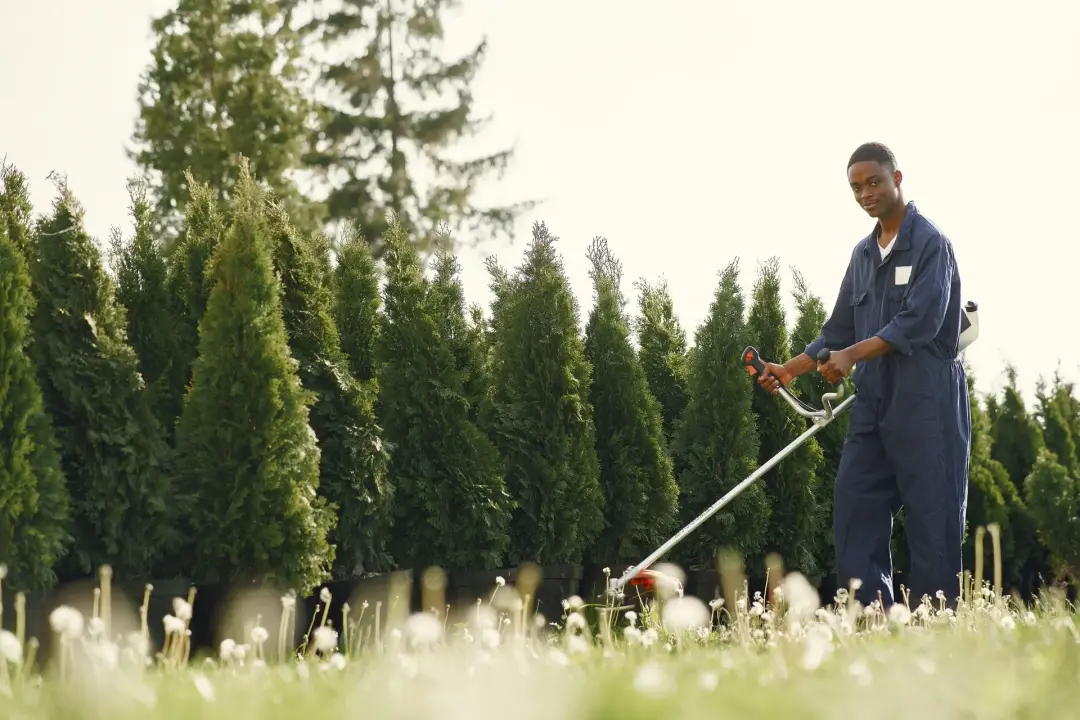
shrubs and hedges while removing dead, damaged or diseased growth. The correct timing depends on the plant. Some flowering shrubs should be pruned after blooming, while others respond better to work during their dormant period. Check the needs of each plant before cutting.
Use sharp tools suited to branches. Make neat cuts and avoid tearing stems. Remove dead or crossing branches first, then reduce unwanted growth without taking away too much at once. Heavy pruning can weaken some plants or remove the buds needed for future flowers.
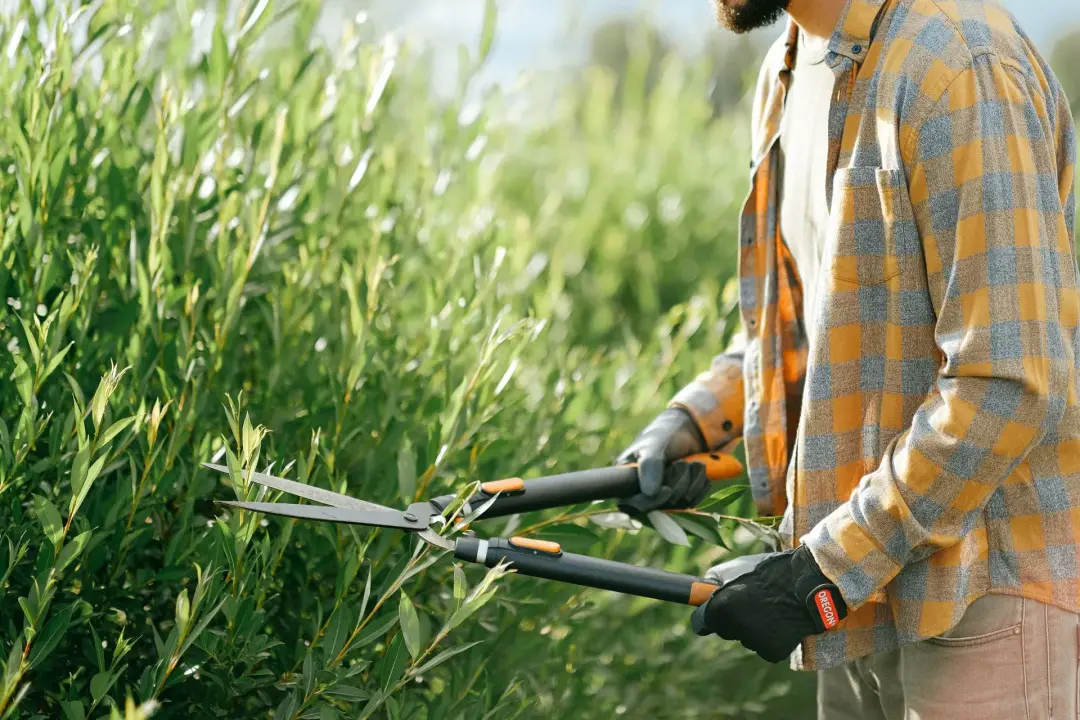
Hedges usually need trimming during the growing season, but check for active bird nests before starting. Work should be delayed if nesting birds are present. Keep the base slightly wider than the top where suitable, allowing light to reach lower growth.
Large trees, high branches and damaged limbs can be dangerous to handle without training and suitable equipment. These jobs should be left to a qualified professional.
Regular light pruning is often better than allowing plants to become overgrown and then cutting them back severely. Careful work supports healthy growth, improves airflow and keeps trees, shrubs and hedges properly sized for their garden setting.
Care for Flower Beds and Borders
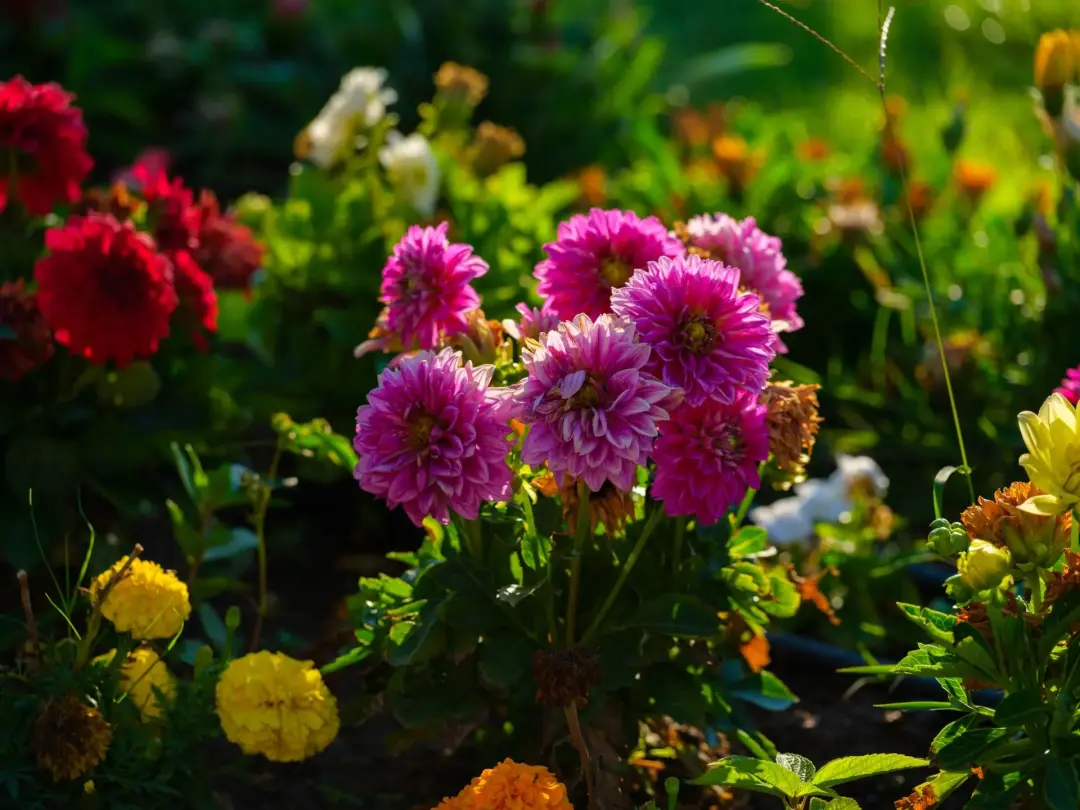
Flower beds and borders need attention to remain healthy, colourful and tidy. Remove weeds before they spread, and clear dead leaves or broken stems that may hide pests or disease. Check the soil moisture and water plants according to their needs, giving extra care to new planting.
Deadhead suitable flowers by removing faded blooms. This can improve the appearance of the bed and encourage some plants to produce more flowers. Cut back damaged growth with clean tools, but leave healthy seed heads where they provide winter interest or food for wildlife.
Support tall plants before they bend or fall. Add stakes early so stems can grow naturally around them. Check spacing as plants mature and move or divide crowded varieties at a suitable time. Mulch can reduce weeds and help the soil retain moisture. A balanced mix of care and seasonal work keeps borders full, organised and attractive all year.
Improve Soil with Compost and Mulch
Healthy soil supports strong roots and helps plants receive water, air and nutrients. Adding well-rotted compost can improve the structure of both heavy and light soils. It helps clay soil drain more freely and allows sandy soil to hold moisture for longer. Spread compost over beds and work it in gently where appropriate, taking care not to damage established roots.
Mulch is placed on the soil surface around plants. Suitable materials may include bark, leaf mould, compost or other garden products. A layer of mulch can reduce water loss, limit weed growth and protect the soil from heavy rain. Organic mulch also breaks down over time and adds material to the ground.
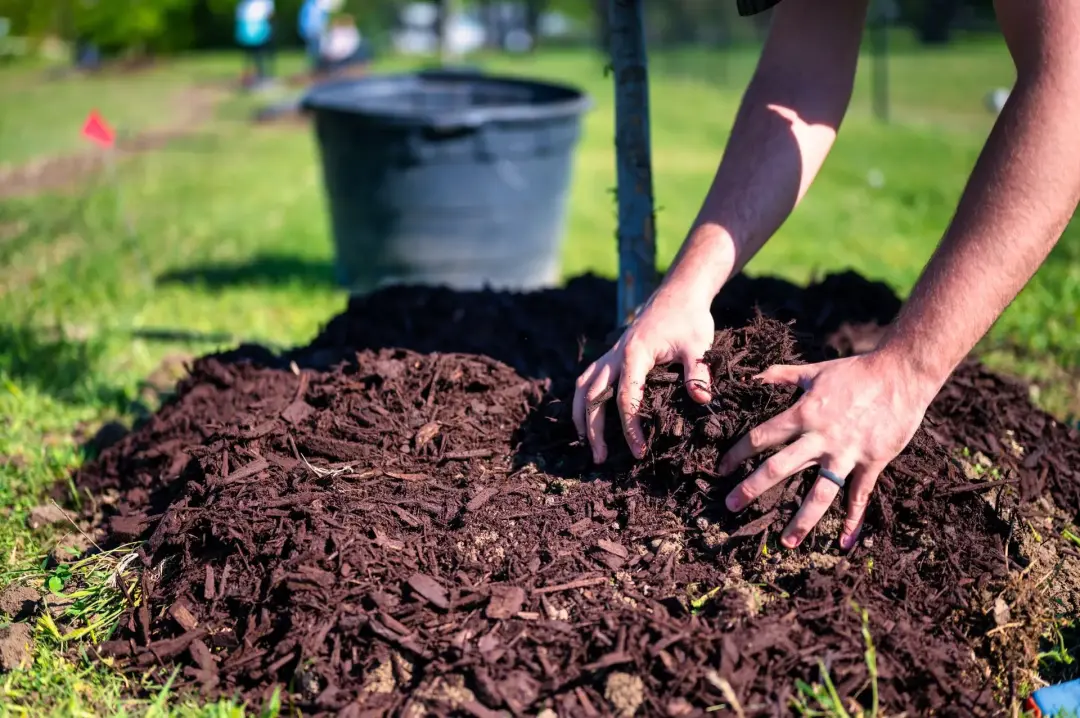
Leave a small gap around stems and tree trunks. Piling mulch directly against plants can trap moisture and encourage rot. Remove existing weeds before applying it, as mulch may not stop established growth.
The best time to add compost or mulch depends on the garden and material, but spring and autumn are often suitable. Check soil moisture first and water if needed before covering the surface.
Regular soil improvement supports planting and may reduce watering and feeding. Use clean materials and avoid adding more than the garden needs.
Replace Dead or Damaged Plants
Dead or badly damaged plants can leave gaps, affect the appearance of borders and sometimes allow disease to remain. First, check whether the plant is dead. Scratch a stem to look for green tissue and examine the base for new growth. Some plants appear lifeless during their dormant season.
If replacement is needed, consider why the original plant failed. Poor drainage, deep shade, dry soil, frost, pests or incorrect planting may cause the same problem again. Improve the conditions or choose a variety better suited to the position.
Remove dead roots and any diseased material. Prepare the soil with compost, then plant at the correct depth and water thoroughly. Keep the new plant watered while it establishes. Try to match the mature size, colour and growth habit of nearby planting. A suitable replacement should fill the space without overcrowding its neighbours or requiring more care than you can provide.
Check Plants for Pests and Disease
Regular checks help you find pests and disease before they spread or cause serious damage. Look at leaves, stems, flowers and the soil around each plant. Warning signs may include holes, spots, sticky surfaces, curled leaves, unusual colour, mould, webbing or poor growth. Check the undersides of leaves because many insects hide there.
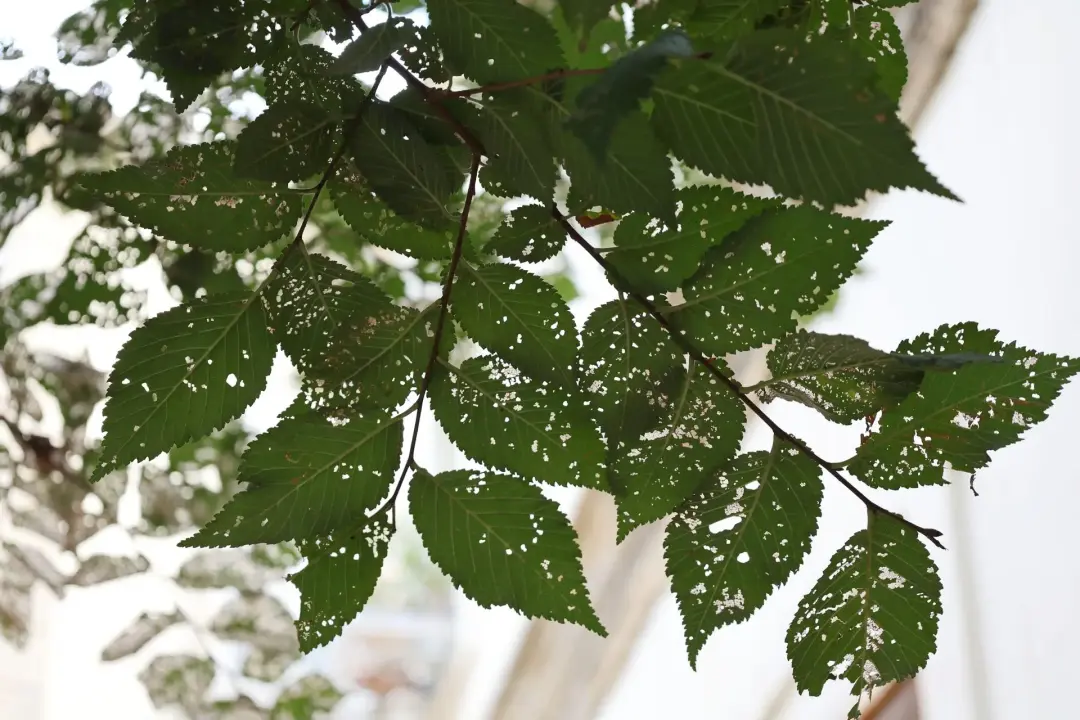
Not every insect is harmful. Some support pollination or feed on common garden pests, so identify the cause before taking action. Small problems may be managed by removing affected leaves, washing insects away or improving plant care. Crowded growth, poor airflow, overwatering and weak soil conditions can make disease more likely.
Clean tools after cutting diseased plants, especially before using them elsewhere. Remove badly affected material and dispose of it safely. Do not add diseased growth to compost unless you know the process will destroy the problem.
Use treatments only when necessary and follow the instructions. Choose methods that reduce harm to people, pets and helpful wildlife. Avoid spraying open flowers where pollinating insects are active. If damage continues or the cause is unclear, seek professional advice. Early identification protects nearby plants and gives affected growth a better chance of recovering successfully over time with suitable care.
Feed Plants When Needed
Plant food can support healthy growth, flowering and fruiting, but it should only be used when needed. Plants require different nutrients and schedules. Check labels or care guidance before applying any product. Signs of poor nutrition may include weak growth, pale leaves or limited flowering, although these symptoms can also result from watering, soil or disease problems. Improving the soil with compost may provide steady support without frequent feeding.
Apply the correct amount and spread it as directed. Too much plant food can damage roots, scorch leaves or create soft growth that attracts pests. Never assume that a larger amount will produce better results.
Container plants often need feeding more regularly because nutrients wash out of the compost. Established trees and shrubs may need less support if the soil is healthy. Water plants where required after feeding and avoid applying products to very dry ground. Careful feeding supports healthy growth.
Maintain Clear Edges Around Lawns and Beds
Edges make lawns, flower beds and borders look organised. They also stop grass from spreading into planted areas, where it can compete for water and nutrients. Inspect edges regularly during the growing season because grass and ground cover can quickly cross the boundary.
Use a lawn edging tool or sharp spade to create a clean line. Follow the existing shape and remove small sections at a time. For straight edges, a string line can provide a useful guide. Curved borders should flow smoothly rather than having many small, uneven bends.
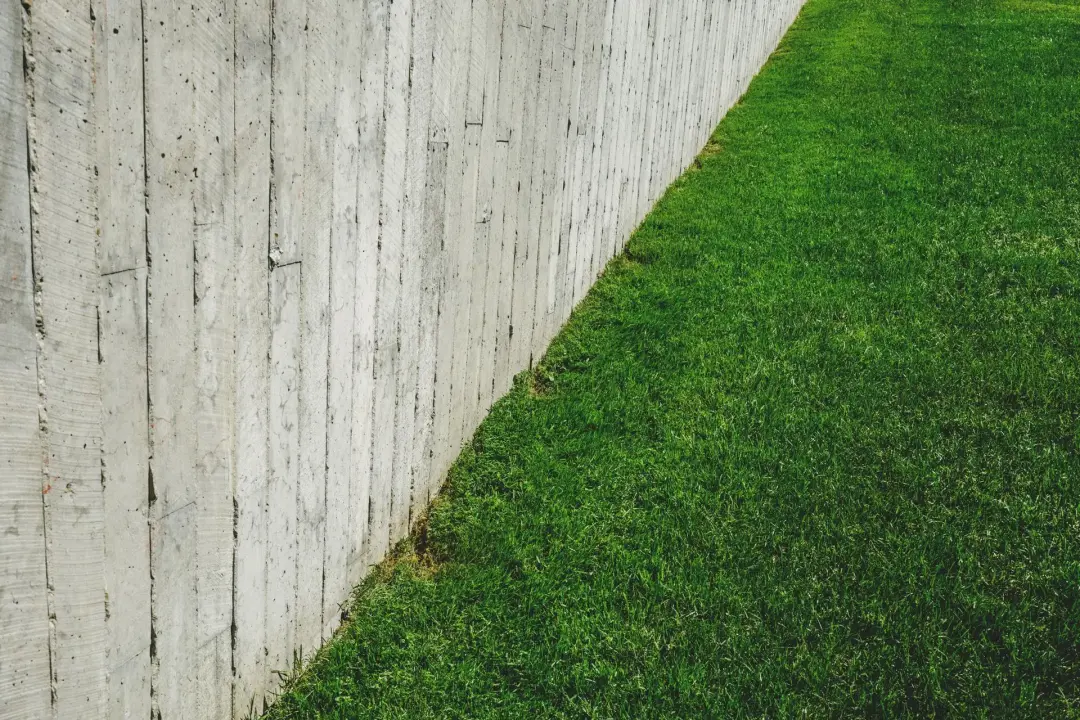
Trim grass along the edge after mowing, taking care not to damage nearby flowers or young shrubs. Remove loose soil and cut growth after the work. Avoid making deep channels that may become a trip risk or collect water.
Permanent edging made from suitable timber, metal, stone or other materials can reduce routine work. It should be installed level, securely and at a height that does not obstruct mowing. Check it occasionally for movement or damage.
Neat edges improve the garden without requiring major changes. Regular light attention is easier than restoring boundaries after grass and plants have become mixed together. Clear lines also make weeding, mowing and mulching simpler.
Keep Paths and Patios Clean
Paths and patios should be kept clear so the garden remains safe and easy to use. Sweep leaves, soil and debris before surfaces become slippery. Pay particular attention during wet weather and autumn, when organic material can build up quickly.
Weeds may grow in joints or along edges. Remove them early, taking out as much root as possible. Moss and algae can make shaded areas slippery, so clean affected surfaces with a suitable method and follow any product instructions.
Check paving for loose, cracked or uneven sections. Movement may create trip risks and could point to drainage or ground problems. Avoid using cleaning methods that damage joints, nearby plants or the surface finish.
Keep soil and mulch inside borders by maintaining clear edges. Direct water away from buildings and prevent blocked drains. Regular cleaning helps paths and patios stay attractive while supporting safe movement through the soft-landscaped garden all year.
Prepare the Garden for Each Season
Seasonal preparation helps the garden cope well with changing temperatures, rainfall and plant growth. In spring, remove winter debris, cut back suitable dead growth and check for frost damage. Improve soil, add mulch and begin planting when conditions are suitable. Lawns may need their first careful cuts as active growth returns.
During summer, focus on watering, deadheading, mowing and controlling weeds. Check containers and new plants often because they may dry quickly. Provide support for tall growth and watch for pests or disease.
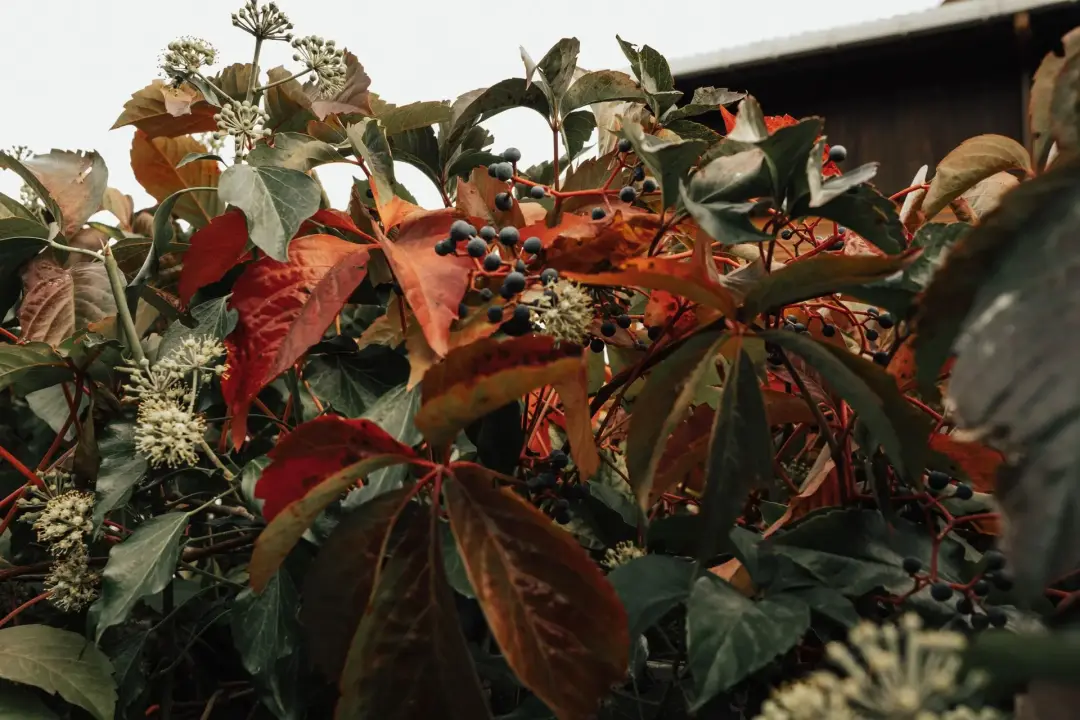
Autumn is a useful time for planting many trees, shrubs and bulbs. Clear fallen leaves from lawns and paths, divide suitable crowded plants and prepare tender varieties for colder weather. Reduce watering as growth slows, but do not allow new planting to dry out.
In winter, protect delicate plants, inspect trees and hedges after storms and avoid walking on frozen or waterlogged lawns. Use the quieter period to clean tools and plan future work.
Weather does not always follow a fixed pattern, so respond to actual conditions rather than relying only on the calendar. A seasonal routine spreads the workload across the year and helps each part of the garden receive care at the most suitable time.
Protect Plants During Cold Weather
Cold weather can damage tender plants, young growth, roots and containers. Before frost arrives, identify plants that need protection and move suitable pots into a sheltered position. A greenhouse, porch or protected wall may provide warmer conditions.
Cover delicate outdoor plants with horticultural fleece or another breathable material. Secure it without crushing stems and remove or loosen it during milder periods when appropriate. Add mulch around roots to reduce sudden temperature changes, but keep it away from stems and trunks.
Raise containers slightly so excess water can drain, as frozen, waterlogged compost may damage roots. Check pots for cracks and avoid watering heavily before severe frost. Do not cut away every damaged stem immediately. Some growth can protect the plant until warmer weather arrives. Wait until the risk of frost has passed before completing major pruning. Careful protection improves the chance that vulnerable plants will survive and recover in spring.
Manage Fallen Leaves and Garden Waste
Fallen leaves and garden waste should be managed to keep outdoor areas safe and healthy. Thick layers of leaves can block light from lawns, create slippery paths and provide damp hiding places for some pests. Collect them with a suitable tool, taking care around low plants.
Healthy leaves can be used to make leaf mould, which improves soil and works as a mulch. Store them in a suitable container or ventilated bag and allow time for them to break down. Small amounts may also be added to a balanced compost system.
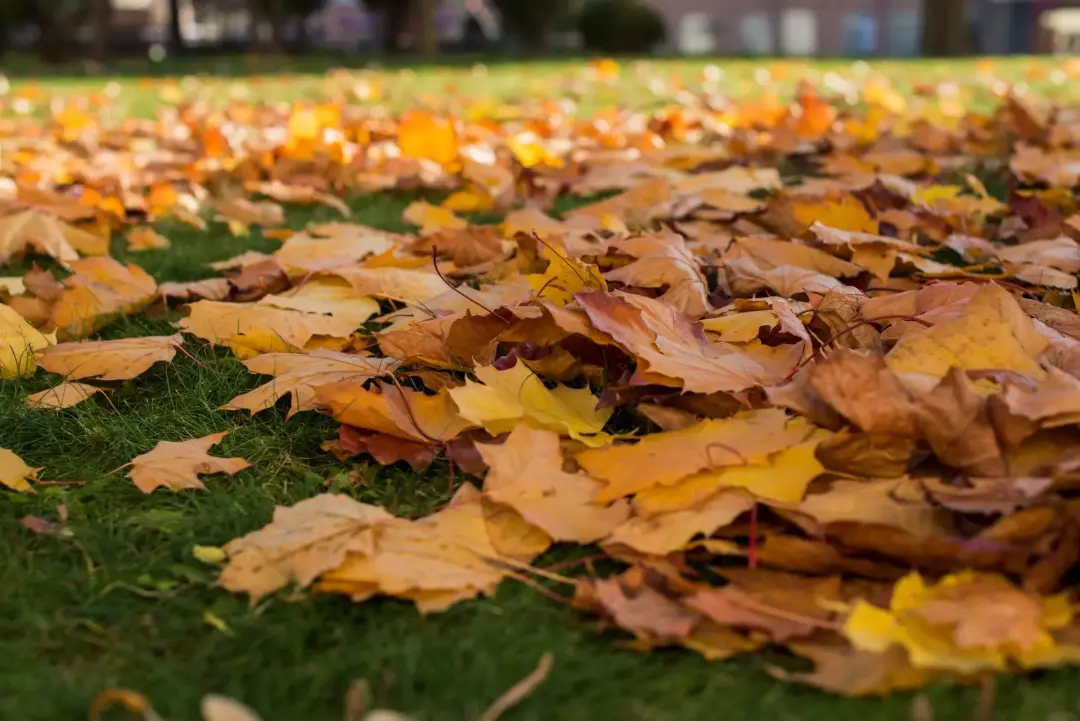
Other garden waste, including soft cuttings and non-diseased plant material, may be composted where suitable. Chop larger pieces to help them break down. Keep weeds carrying seeds and diseased growth separate unless your method can safely process them.
Branches, woody stems and large amounts of waste may need council collection or an approved disposal service. Never leave piles where they block paths, damage lawns or attract unwanted animals.
A planned waste area keeps the garden tidier and makes useful material easier to reuse. Regular clearing is simpler than dealing with large wet piles later. Responsible handling also reduces waste and returns valuable organic material to the garden each season.
Support Wildlife Without Losing Control
A maintained garden can support wildlife without becoming overgrown. Choose plants that provide nectar and pollen across several seasons. Trees, hedges and shrubs can offer shelter and nesting places for birds and insects.
Leave seed heads through winter and create a small log or leaf area in a quiet corner. Keep these features contained so they do not block paths or spread across planted areas. A shallow water source can help wildlife, but it should be kept clean and safe.
Avoid harsh chemicals where possible and identify insects before treating them. Many species are harmless or helpful. Check hedges for active nests before trimming and delay work where needed.
Wildlife areas still require management. Remove invasive growth, control weeds before they seed and clear unsafe debris. By setting aside chosen spaces rather than neglecting the garden, you can support nature while keeping lawns, borders and access routes tidy and practical.
Know When to Call a Landscape Gardener
Some maintenance tasks are simple to manage, but others need professional knowledge, equipment or physical ability. Consider calling a landscape gardener when trees, hedges or shrubs have become too large to handle safely. Work involving high branches, heavy materials, steep ground or unstable areas should not be attempted without suitable training.
Professional help may also be useful when plants repeatedly fail, lawns remain waterlogged or weeds return despite regular care. These problems can point to poor soil, drainage faults or an unsuitable layout. A landscape gardener can assess the wider cause rather than only treating the visible symptom.
Large seasonal clearances, lawn repairs, border redesigns and replacement planting can take considerable time. Hiring support may help restore the garden before you return to a simpler maintenance routine.
Before agreeing to work, explain the problems and the result you want. Ask for a clear quotation covering labour, materials and waste removal. Check which aftercare tasks will remain your responsibility.
Regular professional visits are not necessary for every garden. However, timely help can prevent unsafe work, reduce repeated mistakes and protect established plants. Choose someone with suitable experience for the task and clear communication about the work required with confidence and care.
At ALG Gardening And Landscaping Ltd, we provide professional soft landscaping, garden maintenance and landscaping services across Cheltenham, Gloucester and the Cotswolds.
Our experienced gardeners and landscapers carry out planting, turfing, pruning, fencing, paving, patios, decking and other landscaping work. Whether you need help with a small job or a complete garden transformation, contact our team today to discuss your ideas.