Choosing Durable Materials From The Start
A long lasting garden fence starts with the right materials. Look for pressure treated timber that is rated for ground contact, as it has better resistance to rot and insects. Thicker boards and sturdy rails are less likely to warp or crack over time. Consider concrete posts or galvanised metal posts, which will not rot like bare timber.
Check that all fixings, such as nails, brackets and screws, are rust resistant. Spending a little more on quality at the start can save you from early repairs and costly replacement later, and will help your fence stand up to wind, rain, frost, sunlight and everyday wear for many more years. Ask suppliers which products carry the longest guarantees and best lifespans.
Treating New Fence Panels Before Installation
If you want your new fence to last, it is worth treating the panels before they go anywhere near the garden. Many panels are supplied with only a basic dip treatment, which gives little real protection. Before fitting, apply a good quality wood preservative to every surface of each panel, including the bottom edge and the cut ends. Lay panels flat on supports so you can reach all areas, and allow enough drying time between coats.
Pay special attention to any joints, grooves and end grains, as these are the places where water is most likely to soak in. Use a brush rather than a sprayer for these tricky spots so the product can really soak into the timber. If you need to trim panels to size, seal any new cuts straight away. For a stronger barrier, follow the preservative with a suitable fence paint or stain once it has fully dried.
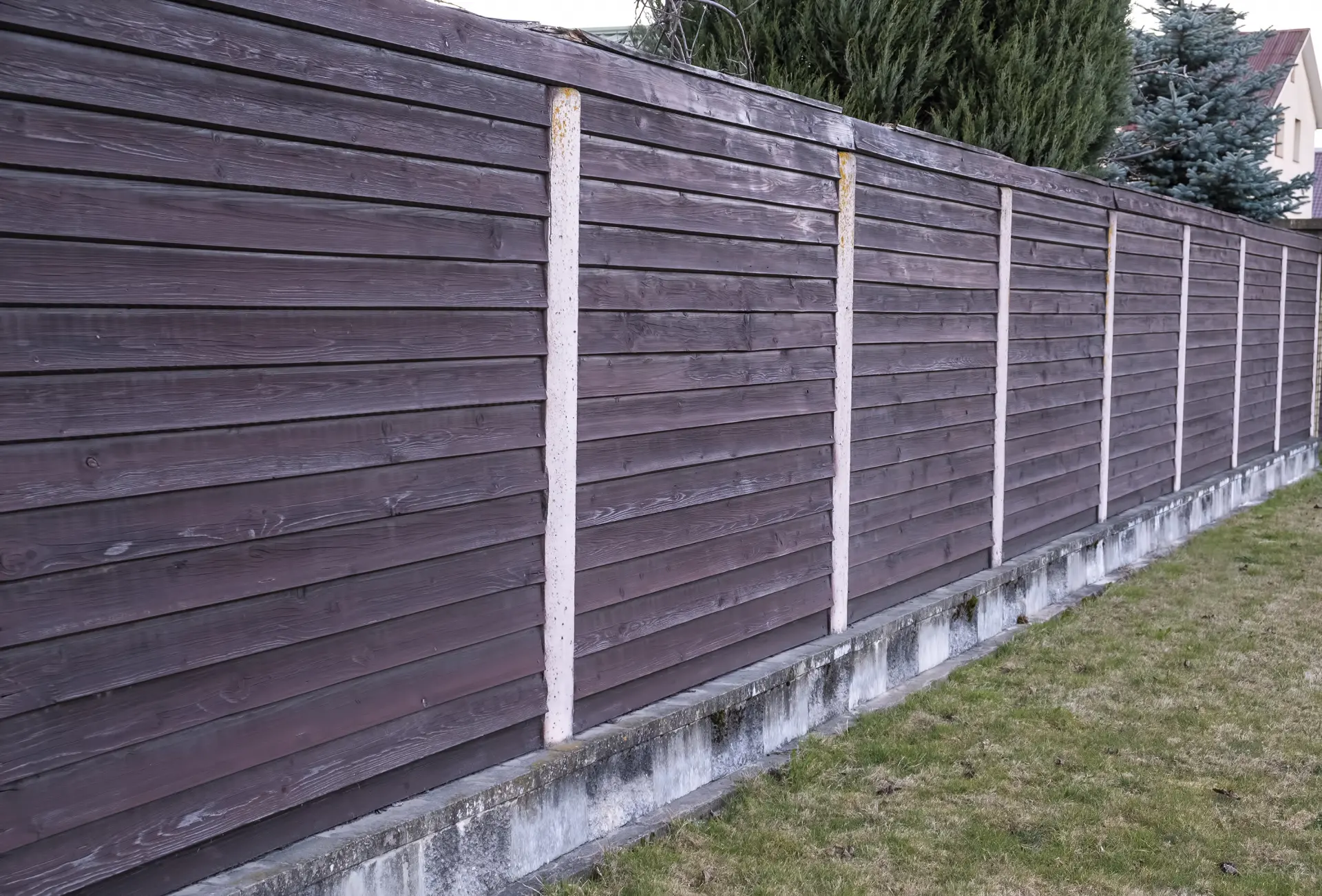
Preparing panels in this careful way helps to lock out moisture, slow down decay and stop early warping, which means your fence starts its life in the best possible condition. It can be tempting to skip this step when you are keen to see the fence finished, but good preparation often adds several extra years of life.
Work on a dry day, raise the panels off the ground on blocks, and protect nearby paths from splashes. Keep a record of the products you used so you can match them easily when it is time for future maintenance coats.
Protecting Fence Posts From Rot And Moisture
Many fences fail because the posts rot at the base, where damp soil and timber meet. To avoid this, choose concrete posts or use timber posts that are pressure treated and rated for in ground contact. Set every post in a proper concrete footing, wide enough for stability and deep enough to reach firm ground.
Use post shoes or spikes where possible so wood does not sit directly in wet soil. Slope the concrete away from the post so water runs off rather than pooling. Check that gravel boards or rails keep panels raised off the ground. By keeping posts dry and well supported, you greatly reduce movement, rot and wind damage over the life of the fence structure overall.
Painting, Staining And Sealing For Extra Protection
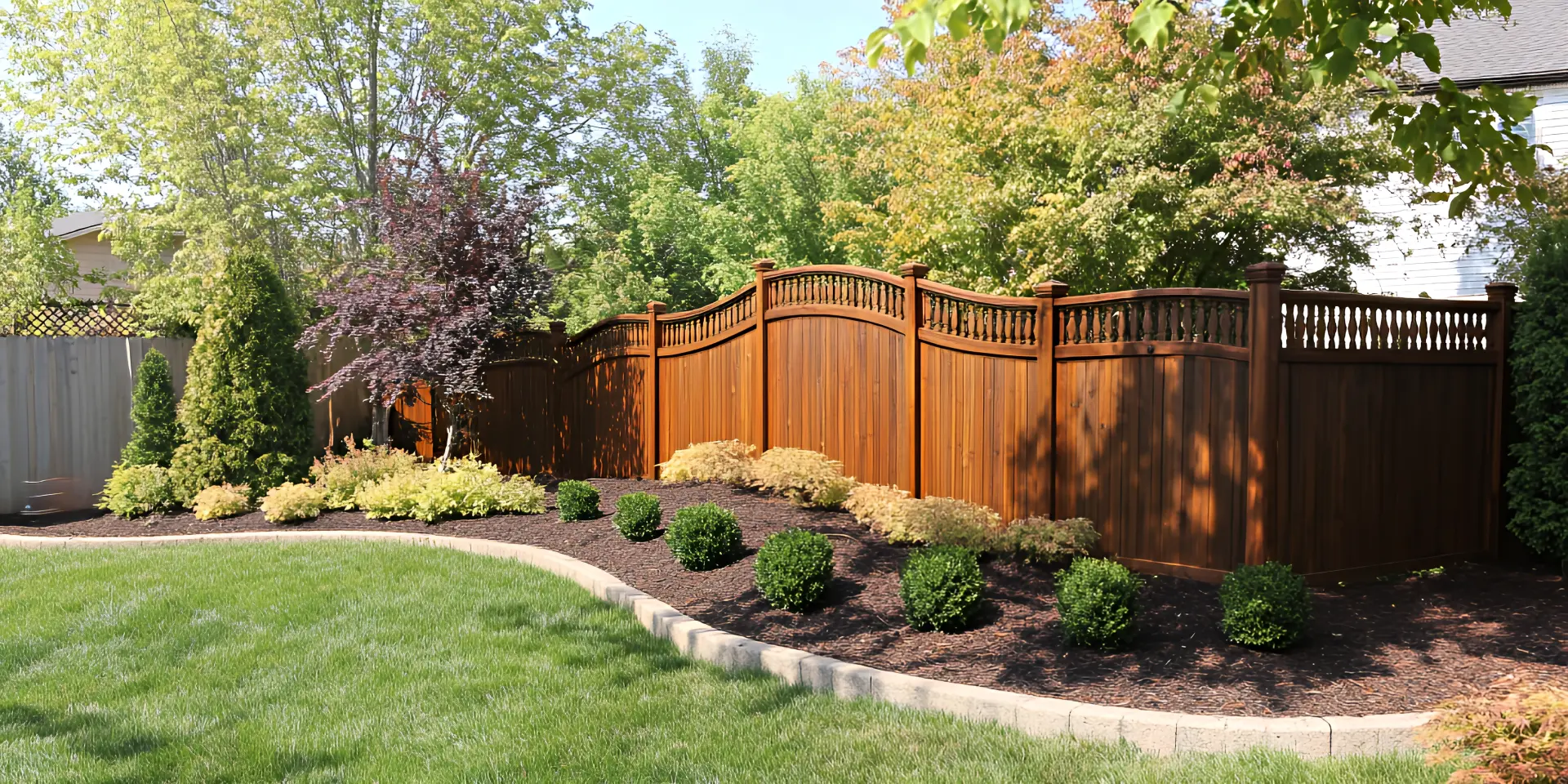
Painting, staining or sealing your fence adds a protective skin that helps it last longer and look smarter. Before you begin, check the timber is dry and clean. Brush away loose dirt, cobwebs and flaking old coatings, and sand any rough or splintered areas. Repair damaged boards and tighten loose fixings so the surface is sound.
Choose a product designed for exterior fences, with UV filters to resist fading and a water repellent finish. Stains soak into the wood and show the grain, while paints sit on the surface and give a stronger colour change. Clear sealers keep a natural look but still help shed rain. Apply the product in thin, even coats, working along the grain with a good quality brush. Take extra care at board ends, joints and knots, as these are weak spots.
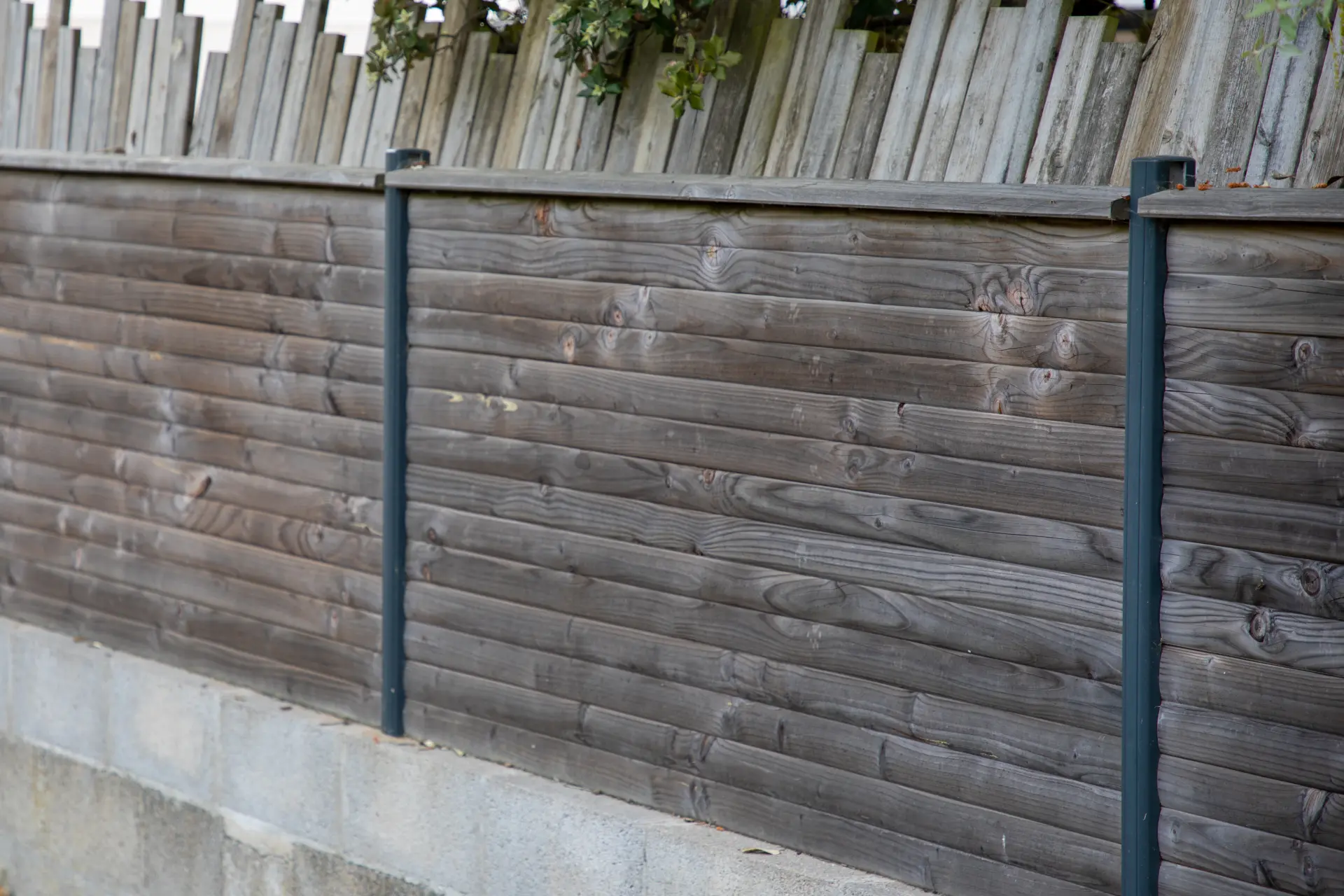
Most fences need a fresh coat every few years, depending on the weather and the product used. In sunny or exposed gardens, you may need to recoat more often to keep the timber sealed. A quick yearly check for flaking, bare patches or green growth makes it easy to spot problems early. Regular treatment keeps out moisture, slows rot and helps your fence stay strong and attractive for longer.
When choosing colours, remember that darker shades often hide marks and ageing, while lighter shades can brighten a dull boundary. Test a small hidden area first, and keep some product back so you can easily touch up scuffs or small repairs again later when needed.
Preventing Soil And Plants From Damaging Your Fence
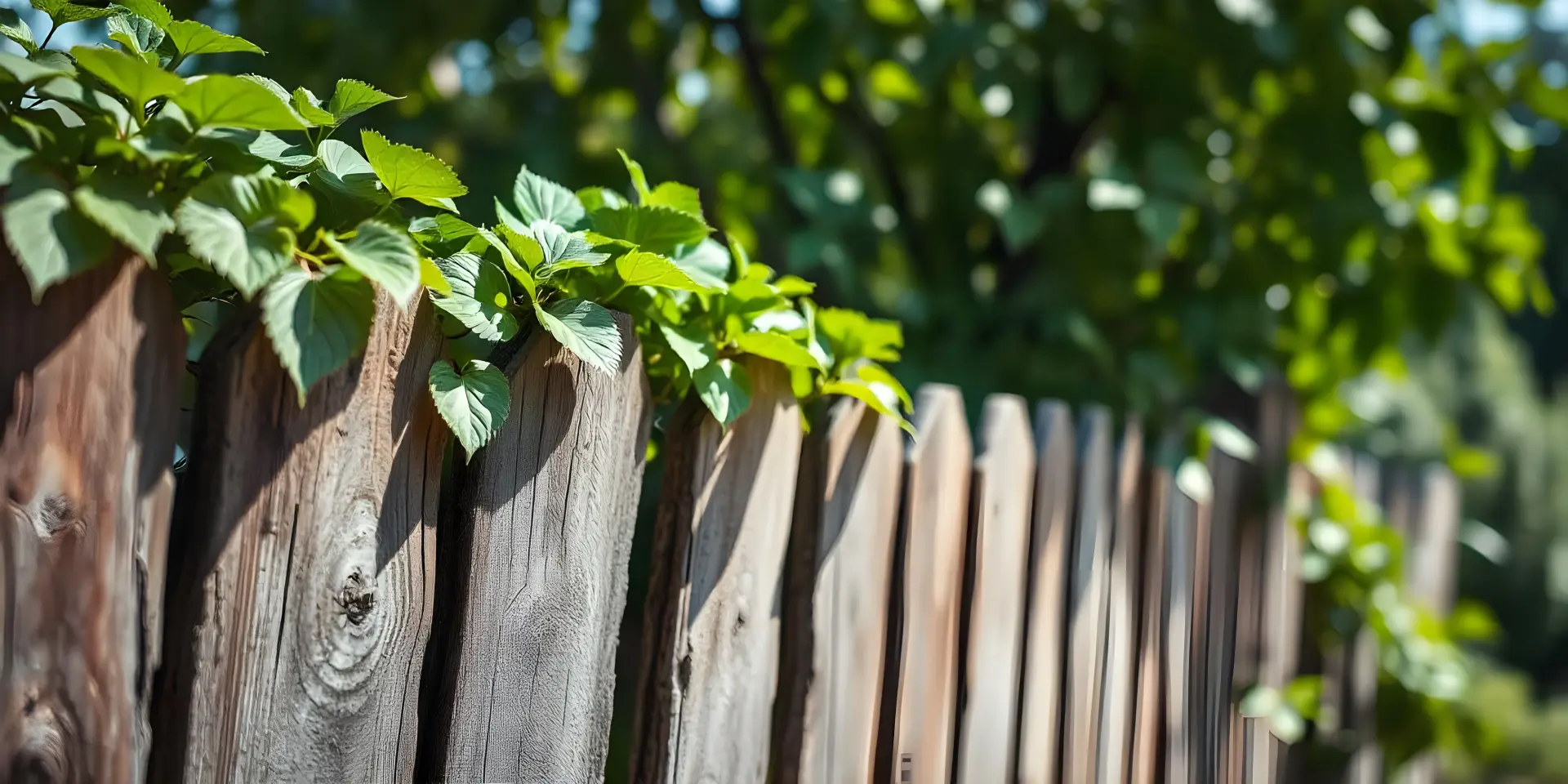
Soil and plants play a big part in how long your fence lasts. If soil is piled high against panels, it holds damp against the timber and speeds up rot. Try to keep soil and mulch a few centimetres below the bottom of the boards, and use gravel boards where possible. Avoid letting climbing plants twist tightly around posts and rails, as they trap moisture and hide early signs of damage.
Instead, grow climbers on wires or a trellis fixed slightly away from the fence surface. Trim shrubs so they do not push or rub on the panels in strong wind. Good clearance allows air to move, helps timber dry after rain and greatly reduces most long term decay risks.
At ALG Gardening And Landscaping Ltd, you can rely on our team to provide you with the highest quality garden fencing installation services in your local area. If you're looking for sturdy fences that are long-lasting and offer lots of privacy and security, give us a call.