Learn how to plan a soft landscaping project with our expert guide. Achieve a beautiful, sustainable garden tailored to your space, style, and budget.
What Is a Soft Landscaping Project?
A soft landscaping project focuses on the living parts of a garden and the natural materials that support them. It may include planting trees, shrubs, flowers, hedges, bulbs and ground cover, as well as laying turf and improving the soil.
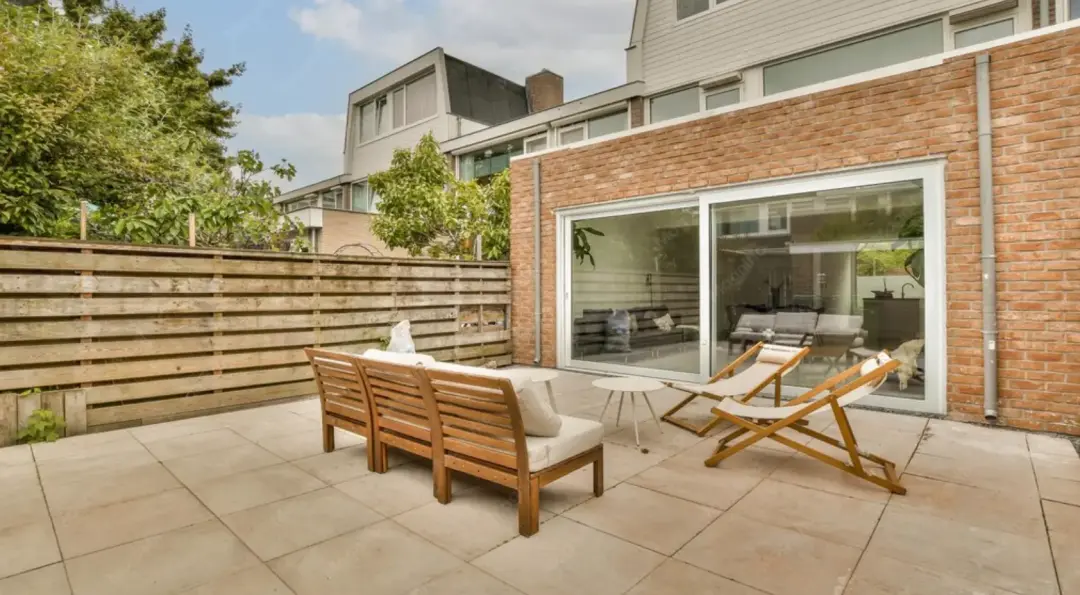
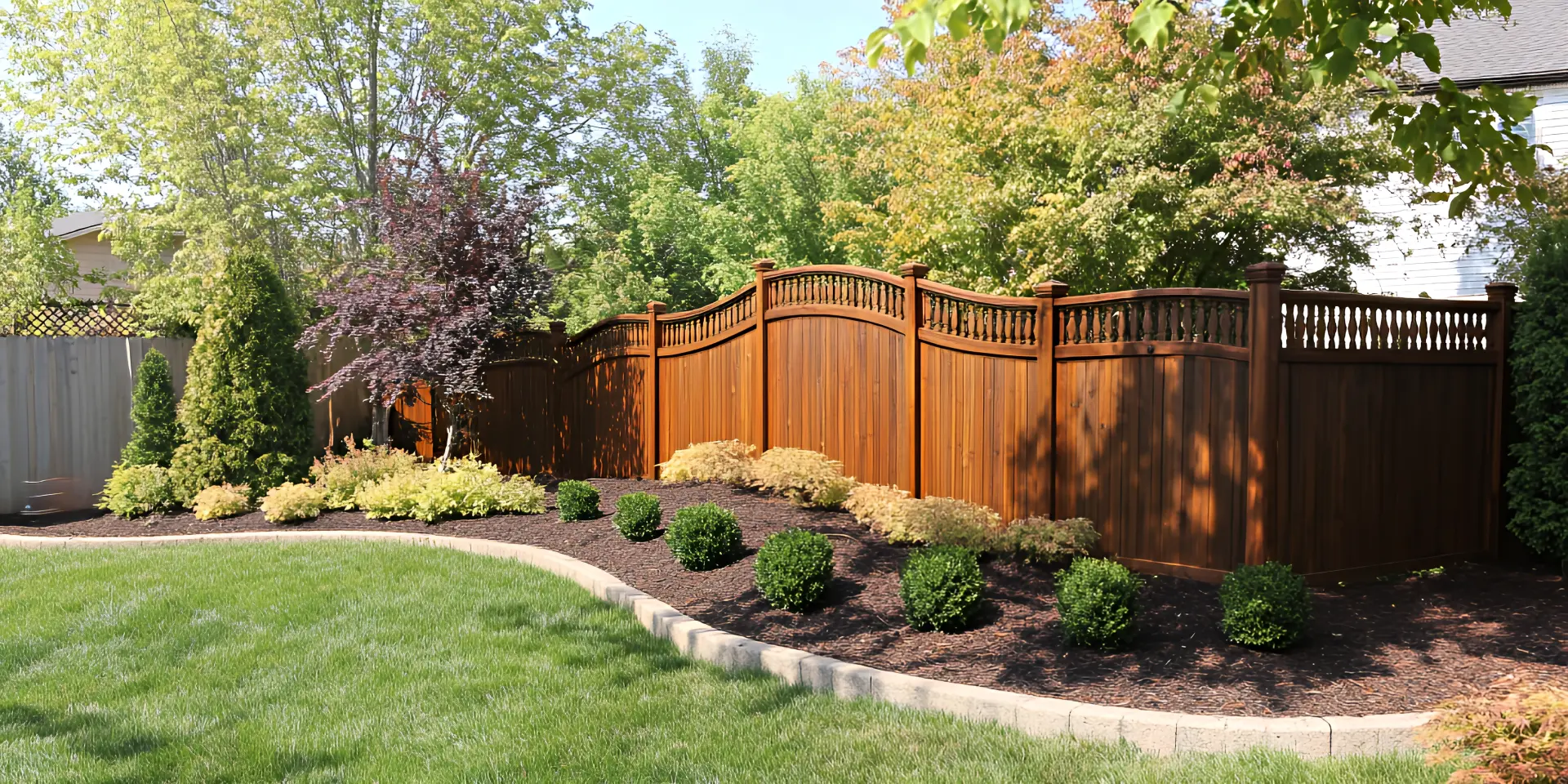
Unlike hard landscaping, which covers patios, paths, walls and fencing, soft landscaping changes as plants grow and the seasons pass. A project can be small, such as refreshing one border, or much larger, such as redesigning an entire garden.
Good planning helps each plant suit the available space, light, soil and drainage. It also makes it easier to create the right balance of colour, privacy, open space and practical use. Before buying plants, consider how the garden should look, how it will be used and how much care you can provide. A clear plan reduces waste, prevents overcrowding and gives the garden a stronger chance of developing successfully over time.
Decide What You Want from Your Garden
Before planning the details, decide what you want your garden to provide. Some people need a safe lawn for children, while others want a quiet seating area, colourful borders, space for pets or a garden that supports wildlife. You may also want more privacy, better views from the house or planting that makes an entrance more welcoming.
Think about how the garden is used now and what does not work well. There may be muddy areas, bare boundaries, difficult slopes or planting that needs too much care. List the main problems and the changes that would make the greatest difference.
It is helpful to separate essential needs from optional ideas. Privacy, safe access and drainage may need attention before decorative planting. Setting priorities helps you use the available space and budget well.
Consider who will use the garden and how often. A family garden may need durable turf and open areas, while a smaller adult garden may focus on seating, scent and seasonal colour.
Your aims should guide every later decision, including plant choice, layout and maintenance. A purpose prevents the design from becoming a collection of unrelated ideas and helps create a garden that feels useful, comfortable and personal.
Review the Size and Layout of the Space
Measure the garden before deciding where plants, lawns and borders should go. Record the length and width, then note the position of doors, windows, fences, sheds, paths, drains and trees. A scaled sketch can help you understand how much space is available and prevent planting areas from becoming too large or narrow.
Look at how people move through the garden. Main routes should remain clear, and plants should not block doors, paths or views. Consider where seating, play areas and storage sit, even if these features are not part of the soft landscaping work.
The shape of the garden affects the design. Long gardens may benefit from separate areas, while small gardens often feel larger with planting and open central space. Slopes, awkward corners and changes in level should be included in the plan. Reviewing the layout first helps every planted area feel connected, practical and properly sized. Accurate measurements support confident decisions.
Read related articles:
How Soft Landscaping Can Transform Your Garden
How to Maintain a Soft-Landscaped Garden
Check the Soil, Sunlight and Drainage
Soil, sunlight and drainage affect which plants will grow successfully. Start by checking the soil texture. Sandy soil drains quickly, clay soil holds more water, and loamy soil usually offers a useful balance. You can also test whether the soil is acidic, neutral or alkaline, as some plants prefer particular conditions.
Watch the garden at different times of day to see which areas receive full sun, partial shade or deep shade. Remember that nearby trees, fences and buildings may change the light across the seasons. A sunny border may suit flowering plants and herbs, while shaded areas need varieties that can grow with less direct light.

After rain, check where water collects and how quickly it drains away. Standing water may damage roots, lawns and bulbs. Very dry areas may need soil improvement or planting that tolerates limited moisture.
Record these conditions on your garden plan before choosing plants. It is easier and less costly to select plants that naturally suit the site than to keep changing the soil or watering constantly. Proper checks also help you decide whether compost, drainage work, raised beds or other preparation is needed before planting begins. This supports stronger and healthier growth.
Set a Clear Budget
Set a budget before buying plants or arranging labour. Include costs for trees, shrubs, flowers, turf, soil, compost, mulch, delivery and any equipment you may need. If the ground requires clearing, levelling or drainage work, allow money for this as well.
Decide which parts of the project matter most and spend more on features that will provide lasting value. Healthy trees, soil preparation and reliable turf may be more important than filling every border immediately. You can often complete planting in stages if the entire design is too expensive at once.
Keep some money aside for unexpected costs, such as replacing poor soil or removing hidden roots. Compare prices, but do not choose plants only because they are cheap. Suitable, healthy plants are more likely to establish well and avoid replacement costs. A realistic budget helps you make sensible choices and prevents the project from stopping before the garden is complete.
Choose a Garden Style
Choosing a garden style gives the project a clear direction and helps different areas feel connected. A traditional garden may include curved borders, lawns, flowering shrubs and familiar plants. A modern design may use simple shapes, repeated planting, ornamental grasses and a limited colour range. Cottage gardens often combine many flowers closely, while wildlife gardens focus on varied habitats and nectar-rich plants.
Look at the style of the property and any existing features before deciding. Planting should support the home rather than feel unrelated to it. A formal property may suit balanced layouts and clipped hedges, while a rural garden may work better with natural shapes and mixed planting.
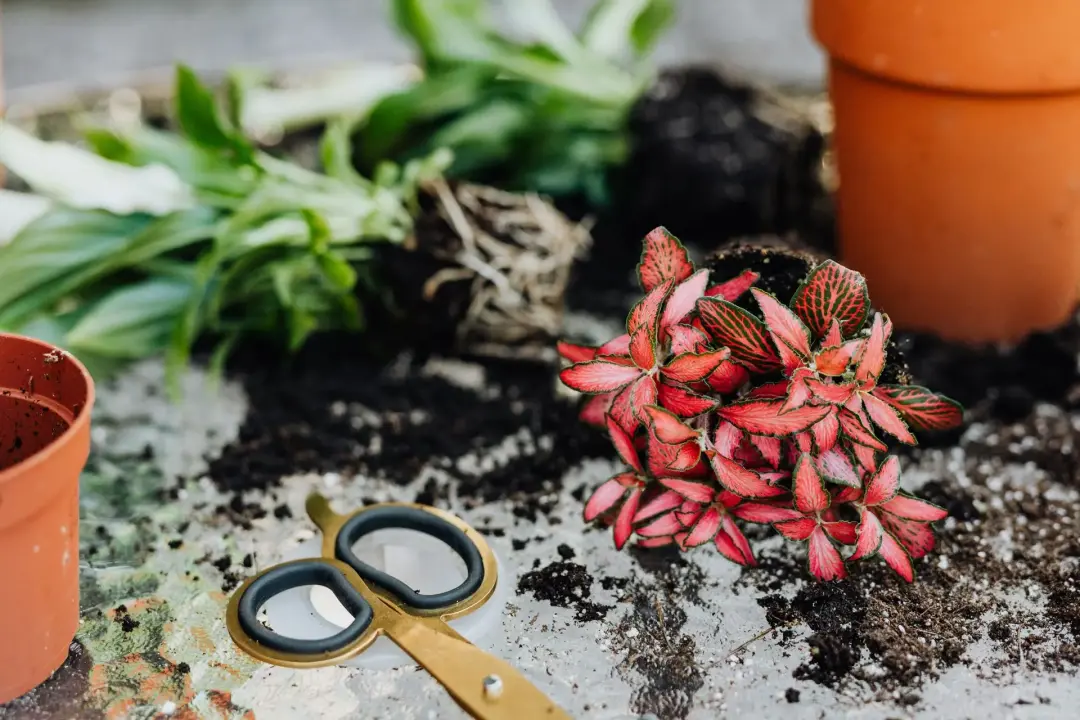
Your preferred level of maintenance should also guide the style. Formal gardens usually need regular trimming and careful upkeep. Relaxed planting can still require seasonal cutting, but it may allow plants to develop more naturally.
Collect a few examples of gardens you like and identify the shared features. Avoid copying too many different ideas, as this can make the space feel crowded. A style guide covering shapes, colours, materials and plant types will make later choices easier. It also helps maintain a consistent appearance as the garden develops and changes over time.
Plan the Main Planting Areas
Plan the main planting areas before selecting individual plants. Mark where borders, beds, hedges, trees and lawn edges will sit. Consider views from windows, doors and seating areas so attractive planting can be seen from the places you use most often.
Borders should be wide enough for plants to grow in layers. Taller plants normally sit towards the back or centre, with medium plants around them and lower plants near the edge. Curved borders can soften a garden, while straight lines may suit a modern layout.
Leave clear access for watering, pruning and weeding. Avoid placing large plants where they may cover paths, block light or crowd entrances. Repeating similar planting areas can create balance and guide the eye through the garden. A simple layout allows you to calculate how many plants are needed and prevents unnecessary purchases. It also ensures that open space and planted areas remain balanced as the garden matures.
Select Suitable Trees, Shrubs and Flowers
Choose trees, shrubs and flowers that suit the garden’s soil, light, drainage and available space. Begin with trees and larger shrubs because they form the long-term structure. Check their expected height and spread at maturity, not only their size when purchased. This prevents roots, branches and dense growth from causing problems later.
Shrubs can provide shape, privacy and year-round coverage. A mixture of evergreen and deciduous types keeps the garden interesting through every season. Flowers add colour and can fill spaces between larger plants. Select varieties with different flowering periods so the display does not depend on one short part of the year.
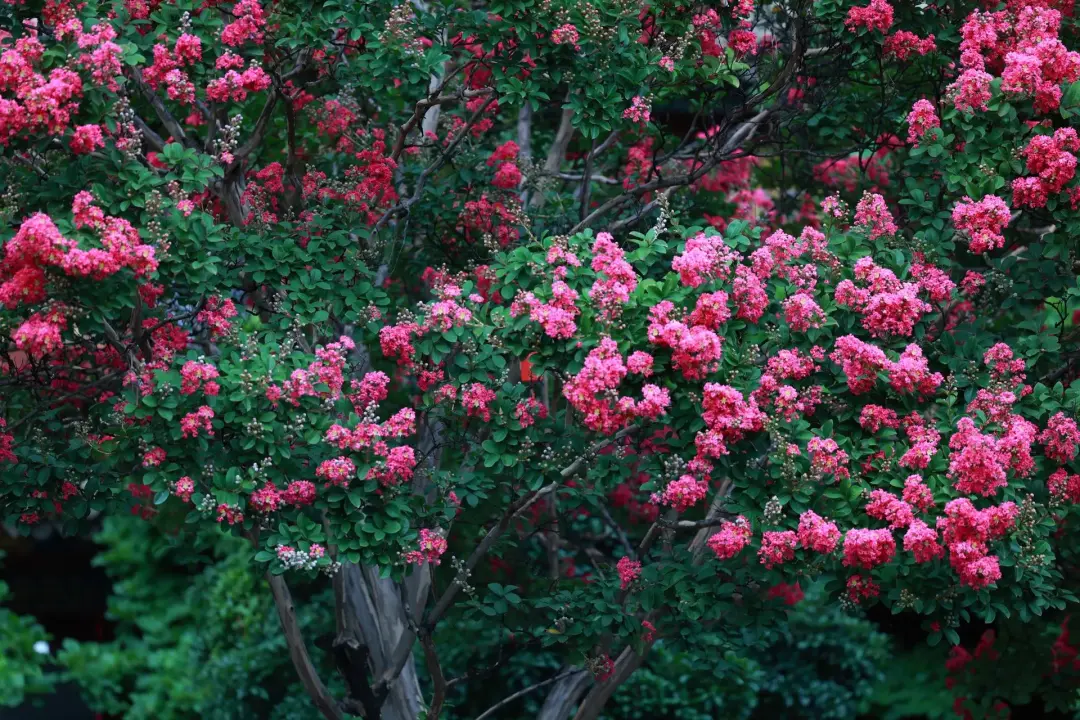
Consider how much care each plant needs. Some require regular pruning, feeding or watering, while others need little attention once established. Avoid choosing delicate plants if the garden is exposed or you have limited time for maintenance.
Group plants with similar needs together. This makes watering and feeding easier and gives each variety better growing conditions. Check labels carefully and buy healthy plants with strong growth and no clear signs of pests or disease. Suitable choices reduce replacements, support better growth and help the finished planting look balanced rather than crowded. This careful approach supports lasting colour.
Decide Whether to Add a New Lawn
A lawn can create open space, connect planting areas and provide somewhere for play, pets or relaxation. Decide how the lawn will be used before choosing turf or seed. Busy areas need durable grass, while decorative lawns may use finer varieties.
Check whether the position receives enough light and drains properly. Shade, compacted soil and standing water can make grass difficult to maintain. In unsuitable areas, ground cover, planting or another surface may work better.
The shape of the lawn affects both appearance and maintenance. Simple edges are easier to mow than narrow strips or complicated curves. Allow room around trees and borders so roots and plants are not damaged by mowing.
Turf provides a quicker finish, while seed is slower but can suit larger areas. Both require soil preparation, watering and protection while establishing. A lawn should support the garden’s purpose without creating more maintenance than you can manage. Consider mowing, feeding, watering, repairs, shade, drainage and seasonal use.
Think About Colour Throughout the Year
Planning colour across the year prevents the garden from looking attractive for only a few weeks. Make a seasonal list showing which plants flower, produce berries, change leaf colour or remain evergreen during spring, summer, autumn and winter. This reveals gaps before planting begins.
Spring bulbs can provide early colour, followed by flowering shrubs and perennials in summer. Autumn interest may come from warm foliage, grasses, berries and late flowers. Evergreen shrubs, coloured stems and textured leaves help maintain structure during winter.

Choose a main colour range rather than buying every plant that looks appealing. Repeating selected colours throughout the garden creates a calmer and more connected design. You can still add contrasting areas to draw attention to entrances, seating spaces or special features.
Remember that foliage can be as important as flowers. Green, silver, purple and variegated leaves provide longer-lasting interest than short flowering periods. Plant shape and texture also add variety when colour is limited.
Consider how colours appear beside the property, fences and paving. Soft shades may brighten a shaded area, while strong colours can stand out in full sun. By planning each season, you can create a garden that continues to feel lively, balanced and inviting throughout the year.
Plan for Privacy and Shade
Planting can provide privacy, shade and shelter when it is positioned carefully. Hedges are useful along boundaries because they screen views at ground level and create a softer appearance than a fence. Evergreen varieties provide coverage throughout the year, while mixed hedges add seasonal change and support wildlife.
Trees can block higher views and cast shade over seating areas. Check their mature height, spread and root growth before planting. Narrow trees may suit smaller gardens, while larger gardens can support broader canopies.
Use layered planting for better coverage. Trees form the upper level, hedges and shrubs fill the middle, and smaller plants cover gaps near the ground. Avoid making the garden too dark or enclosed. Leave space for light, movement and views within the property.
Privacy planting also needs regular care to remain within its intended area. A thoughtful plan can create comfortable, sheltered spaces without causing future problems for paths, buildings or neighbouring gardens.
Support Wildlife with Suitable Planting
A soft landscaping project can support wildlife by providing food, shelter, water and safe nesting areas. Include flowers that offer nectar and pollen across different seasons. Early spring bulbs, summer flowers and late-flowering plants help insects find food for longer periods.
Native trees, shrubs and hedges are often valuable because local birds and insects are familiar with them. Berry-producing plants provide autumn and winter food, while dense growth offers cover. Avoid filling every gap, as small natural areas can support insects and other creatures.
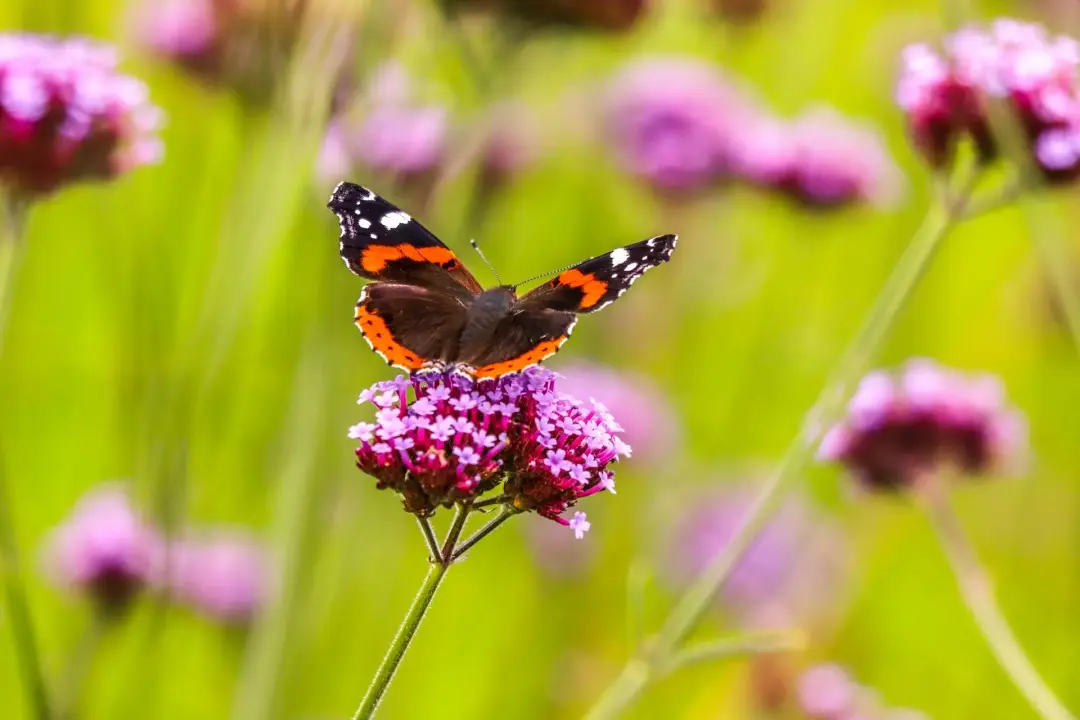
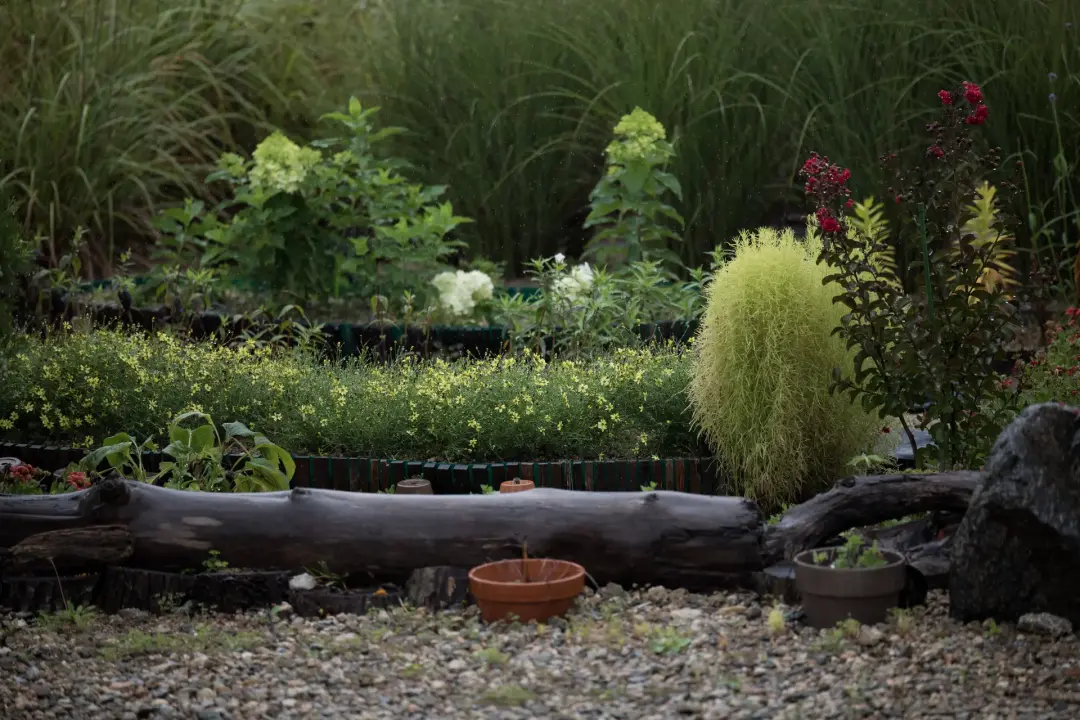
Ground cover protects soil and gives wildlife places to hide. A small log pile, leaf area or carefully placed stone section can add habitat without making the garden look neglected. A shallow water source may also help birds and insects, provided it is kept clean and designed safely.
Reduce the use of harsh chemicals wherever possible. These can harm useful insects and affect the wider garden. Choose varied plants rather than relying on one type, as diversity supports more species.
Wildlife-friendly planting can still look neat and planned. Repeated colours, defined borders and carefully selected natural areas keep the design attractive. Even a small garden can make a useful contribution when planting provides food and shelter throughout the year.
Consider Future Garden Maintenance
Plan future maintenance before choosing the final layout and plants. Consider how much time you can spend mowing, watering, pruning, feeding, weeding and clearing leaves. A garden that needs more care than you can provide may soon become difficult to manage.
Slow-growing shrubs, ground cover and suitable evergreen plants can reduce routine work. Mulch helps hold moisture and limit weeds, while wider planting groups are often easier to maintain than many small beds. Simple lawn shapes also make mowing quicker.
Leave enough space between plants for their mature size. Crowded planting needs more pruning and may suffer from poor airflow or competition. Make sure taps, paths and storage areas remain easy to reach. Low maintenance does not mean no maintenance. Every garden needs seasonal care, but good planning can reduce unnecessary work. Choosing plants that suit the conditions will limit watering, replacement and treatment, helping the garden remain healthy and attractive for longer.
Combine Soft and Hard Landscaping
Soft and hard landscaping should be planned together so the garden is practical, balanced and connected. Hard landscaping includes paths, patios, walls, fencing, decking, steps and raised beds. Soft landscaping covers lawns, trees, shrubs and flowers. Each part affects the position and success of the other.
Mark fixed features on the plan before deciding where plants will go. Paths must remain wide enough for access, while borders should have enough depth for healthy growth. Planting can soften large paved areas, hide plain boundaries and guide attention towards seating or entrances.
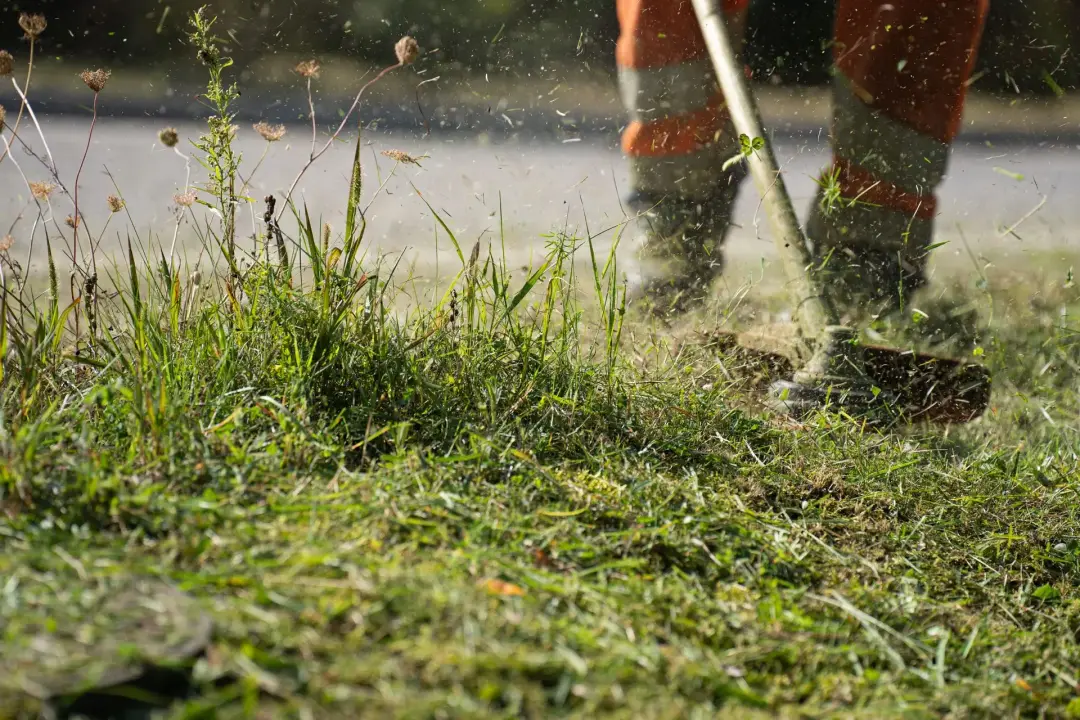
Think about drainage where hard surfaces meet lawns and beds. Water should not collect around roots, paths or buildings. Raised beds may help where soil is poor, but they need suitable depth and safe access.
Choose plants and materials that suit the same style. Natural stone can work well with relaxed planting, while clean paving often suits repeated grasses and shaped shrubs. Avoid using too many materials or plant types, as the garden may feel unsettled.
A balanced plan gives enough hard surface for movement and use without removing too much greenery. It also ensures plants have the soil, light and space they need to mature successfully.
Create a Simple Project Schedule
Create a simple schedule so each stage happens in the correct order. Begin with clearing unwanted plants, waste and damaged turf. Follow this with drainage work, soil improvement, levelling and any hard landscaping that may affect the planting areas.
Plan tree, hedge and shrub planting before smaller flowers and bulbs. Turf should usually be laid after heavy work is complete, reducing the risk of damage from tools, materials and repeated foot traffic.
Consider the season when setting dates. Many trees and shrubs establish well during cooler, wetter periods, while some tender plants need warmer conditions. Turf also requires regular watering, especially during dry weather.
Allow time for deliveries, ground preparation and unexpected delays. Avoid arranging every task too closely together. A clear schedule helps control costs, keeps the site organised and prevents completed areas from being disturbed. It also gives plants the right conditions and enough attention during their important early growth period. Review progress after each stage.
Choose the Right Materials and Plants
Choose plants and supporting materials for their suitability, quality and expected lifespan. Plant labels should explain mature size, preferred light, soil needs and flowering period. Use this information to check that every choice fits the garden plan rather than buying plants only for their current appearance.
Inspect plants before purchase. Healthy examples should have firm growth, suitable moisture and no clear signs of pests, disease or serious damage. Avoid root-bound plants where possible, as tightly circling roots may struggle to spread after planting.
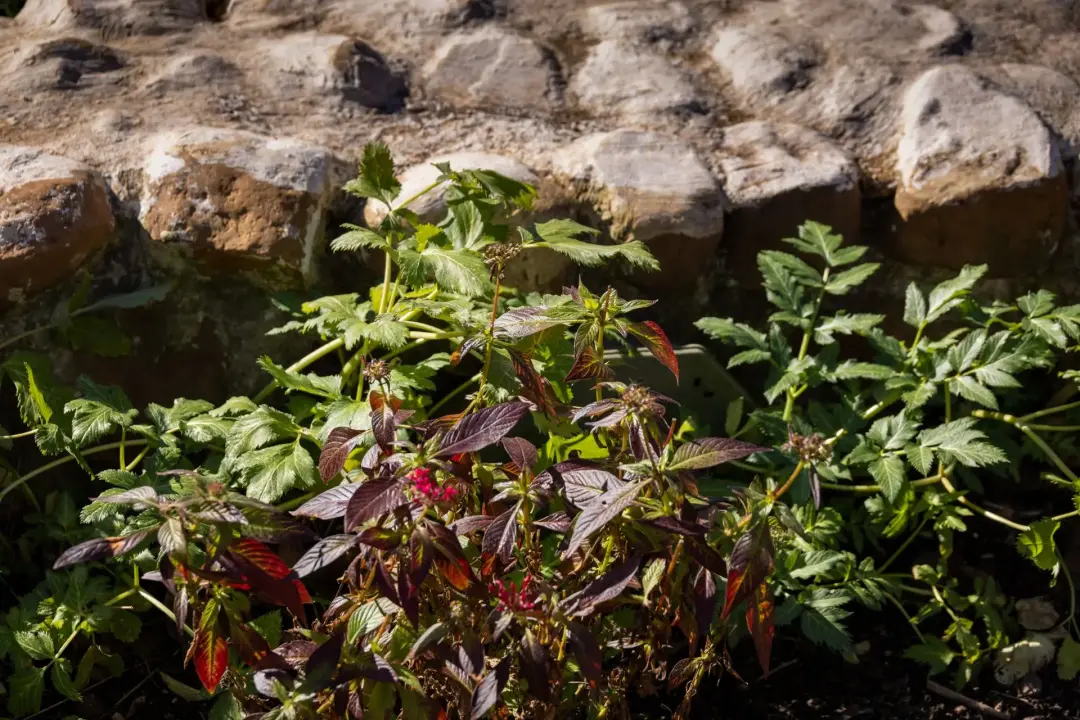
The project may also need topsoil, compost, mulch, fertiliser, turf and stakes. Select products that match the soil and planting. Good compost can improve structure, while mulch helps conserve moisture and reduce weeds. Tree stakes and ties should support young trees without rubbing or restricting their growth.
Calculate quantities carefully using the measured size of beds and lawns. Ordering too little can delay the work, while excess material increases waste and cost. Ask about delivery access and storage, especially for turf, which should be laid promptly.
Quality materials cannot correct a poor design, but suitable choices support stronger establishment and easier care. Keep receipts and plant details so you can follow care advice or replace any item covered by a supplier guarantee.
Prepare the Ground Before Planting
Ground preparation gives new plants, turf and hedges the best chance of establishing successfully. Clear weeds, old roots, stones, waste and unwanted growth before planting begins. Perennial weeds should be removed thoroughly so they do not quickly return through new beds.
Loosen compacted soil to improve airflow, drainage and root movement. Add compost or suitable soil improver where needed, then mix it through the planting area rather than leaving it only on the surface. Check levels carefully and remove dips where water may collect.
For turf, the ground should be even, firm and free from large stones. Planting holes should suit the root size, allowing plants to sit at the correct depth. Avoid working very wet soil because this can damage its structure. Complete heavy access and building work before final preparation. Careful groundwork may take time, but it reduces future problems, supports healthier growth and helps the finished garden look even, settled and professionally completed.
Decide Whether to Hire a Landscape Gardener
A landscape gardener can help when the project involves a full redesign, difficult ground conditions, large plants or work that needs specialist equipment. Professional support may also be useful if you are unsure how to combine planting, lawns, drainage and existing hard features.
A landscape gardener can assess the garden, measure the space and recommend plants suited to the soil, light and maintenance level. They can prepare the ground correctly, arrange materials and complete tasks in a suitable order. This may reduce wasted plants, uneven turf and repeated work.
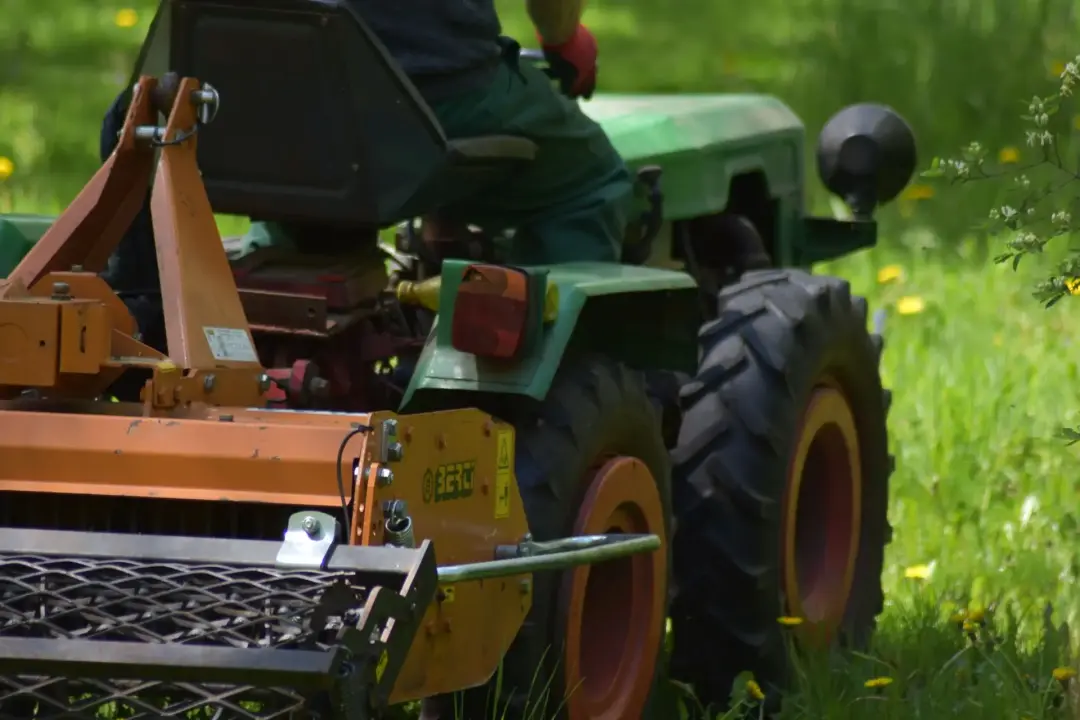
Before hiring anyone, ask for a clear written quotation showing labour, materials, waste removal and any extra services. Discuss the intended style, budget, schedule and future care. Examples of previous projects can help you judge whether their approach suits your garden.
Check what is included after planting. New turf, trees and shrubs need careful watering while they establish, so clear aftercare guidance is important. You may still choose to complete simple planting yourself while hiring help for preparation or larger work.
Professional support increases the project cost, but it can save time and prevent expensive mistakes. The right choice depends on the scale, your experience, available tools and how much work you can manage safely.
At ALG Gardening And Landscaping Ltd, we provide professional soft landscaping, garden maintenance and landscaping services across Cheltenham, Gloucester and the Cotswolds.
Our experienced gardeners and landscapers carry out planting, turfing, pruning, fencing, paving, patios, decking and other landscaping work. Whether you need help with a small job or a complete garden transformation, contact our team today to discuss your ideas.