In a small garden every built feature should earn its space. One well-sized seating area, a clear route and useful storage can achieve more than several cramped zones. Keep the arrangement simple, test it with furniture and reserve meaningful root space for plants.
Sources and figures checked 12 October 2026. Publication dates and product-specific limits are identified where relevant.
Learn from a compact footprint
The RHS small-garden gallery shows designs within 6 m × 4 m plots, equivalent to 24 m². These are show-garden dimensions, not average UK garden-size statistics. They demonstrate purposeful layout. Start with your own measurements and household priorities rather than trying to fit in every photographed feature.
Make one terrace perform several jobs
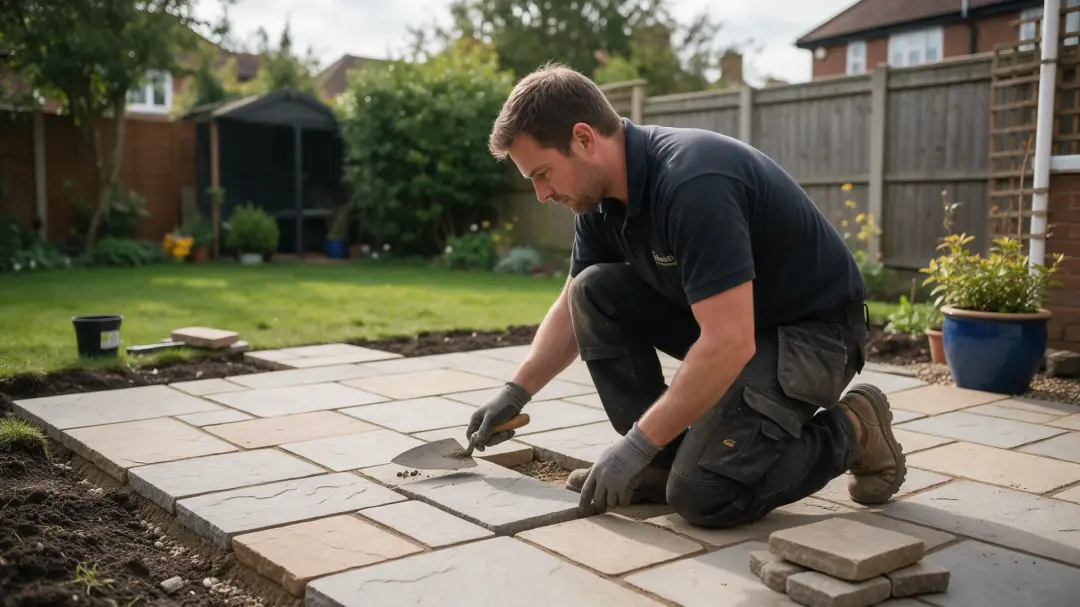
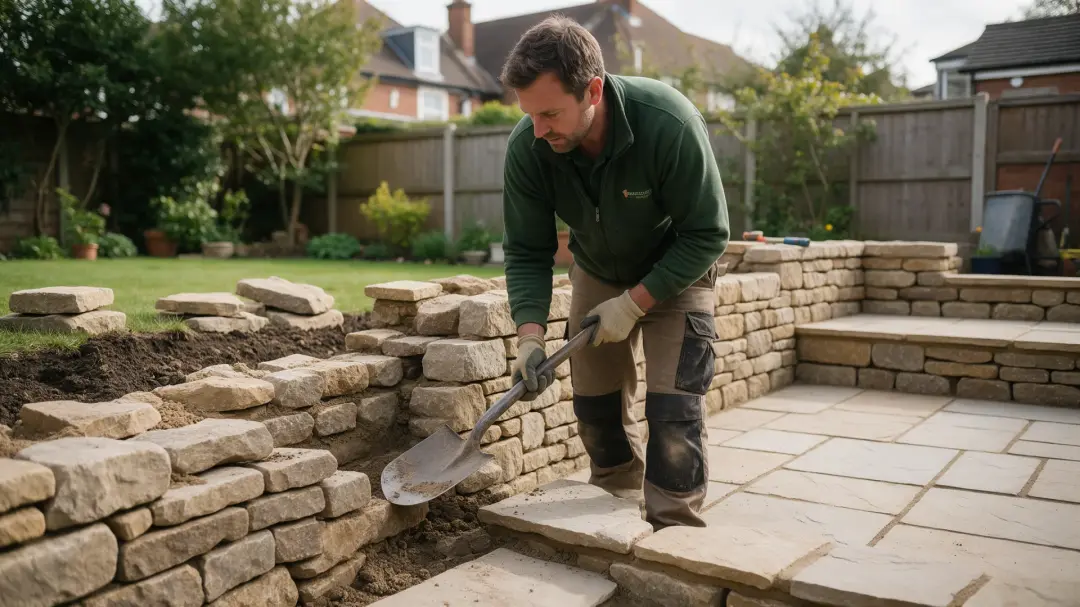
A compact surface can support meals, a movable lounge seat and access to the gate. Mark it with occupied chairs before ordering paving. Avoid decorative steps that consume circulation space without addressing a level problem. Necessary level changes need proper design, rather than being concealed behind a thin edging strip.
Combine seating and a planter
An edge bench can free the centre. Where a seat meets a planter, allow for drainage and material protection, and retain maintenance access. Keep damp soil away from vulnerable timber. Check comfort and avoid inaccessible strips where leaves collect. Built-in features should make the plot easier to use, not lock it into an awkward arrangement.
Limit materials and integrate storage
One main paving material with a considered edging detail can connect the design. Check for awkward cuts rather than assuming large slabs always suit small plots. Measure bins, tools and folded furniture before making storage. Doors should open without blocking the path, tap or inspection covers.
Add vertical interest carefully
Trellis and suitable climbing plants draw attention upwards. Match fixings to the supporting wall and allow for upkeep. Tall solid screens may darken narrow gardens; assess views from the house as well as the seat. Structures also need consideration of foundations and wind exposure.
Calculate the runoff
For an illustrative calculation, 10 mm of rain on a 12 m² impermeable terrace represents 120 litres before losses. This is volume arithmetic, not a forecast for Cotswolds. Agree a suitable destination and test whether the soil can accept infiltration. Loose gravel over a sealed or poorly drained base is not automatically permeable.
Reserve deliberate planting space
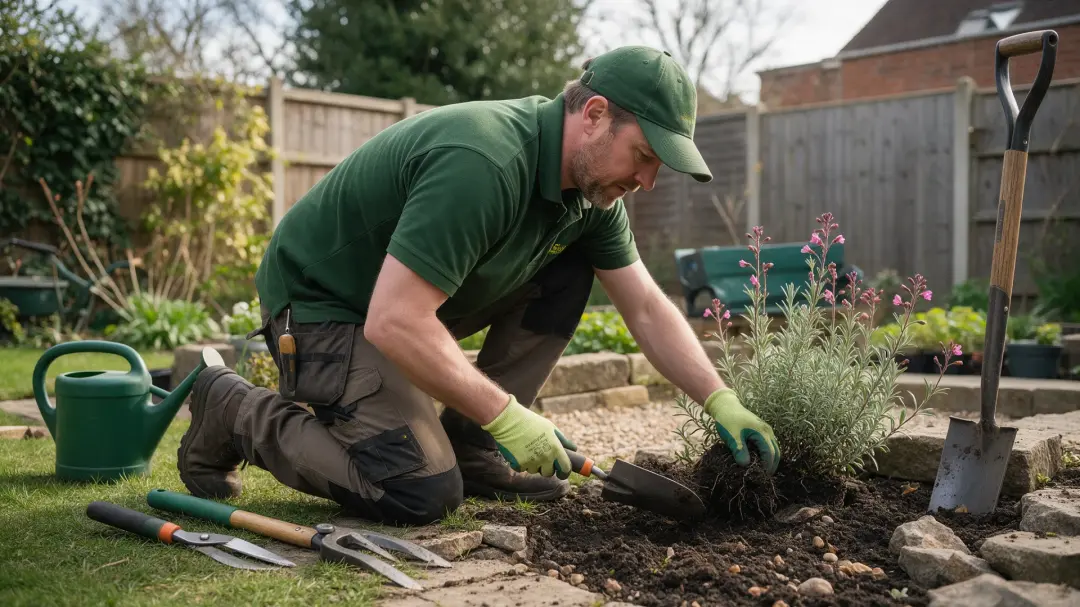
Keep meaningful beds or well-sized containers rather than filling leftover slivers with unsuitable shrubs. The RHS small-space planting guide highlights using different plant heights effectively. Combine this with a clear floor-level route and species selected for mature dimensions and site conditions.
Test ordinary use before construction
Carry a bulky item from door to gate, move a chair and open the store. Check that lighting identifies the route without glaring into windows. Keep maintenance access. A small garden succeeds when it works on a wet weekday as well as when photographed with the furniture arranged neatly.
Choose movable elements where needs will change
A small plot benefits from flexibility. A movable table or compact folding chairs can adapt between everyday use and occasional entertaining. Keep fixed construction for functions that really benefit from it, such as an essential retaining edge or carefully sized storage. Before building a permanent cooking station, consider how often it will be used and what space it removes. A feature that looks efficient on a plan may be inconvenient if it prevents the garden serving a different purpose later.
Check delivery and construction access early
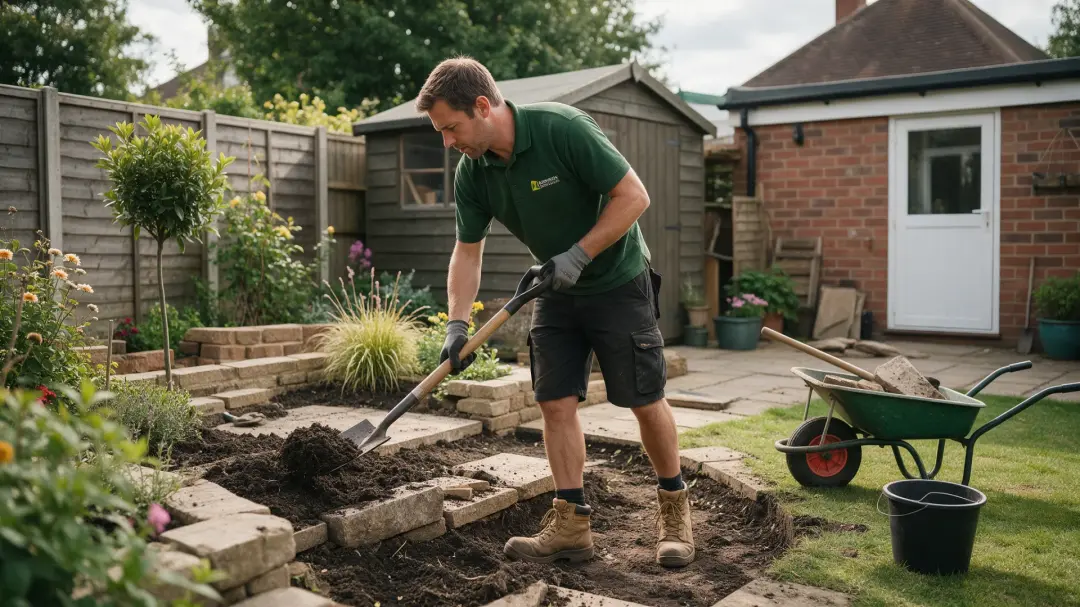
Small gardens often have narrow entrances even when the finished layout is straightforward. Measure gates and routes, and tell the installer about steps, shared passages and restrictions on material storage. The size of paving units may influence handling and cutting arrangements. Agree how the house and existing surfaces will be protected while materials are carried through. Identify a safe place for waste and discuss the order of work, so access is not blocked by a completed feature before the remaining materials arrive.
Summary
Combine useful surfaces, multifunctional features and considered drainage to make a compact plot work harder. Ask ALG Gardening And Landscaping Ltd about hard landscaping that improves the space in Cotswolds while retaining room for planting.